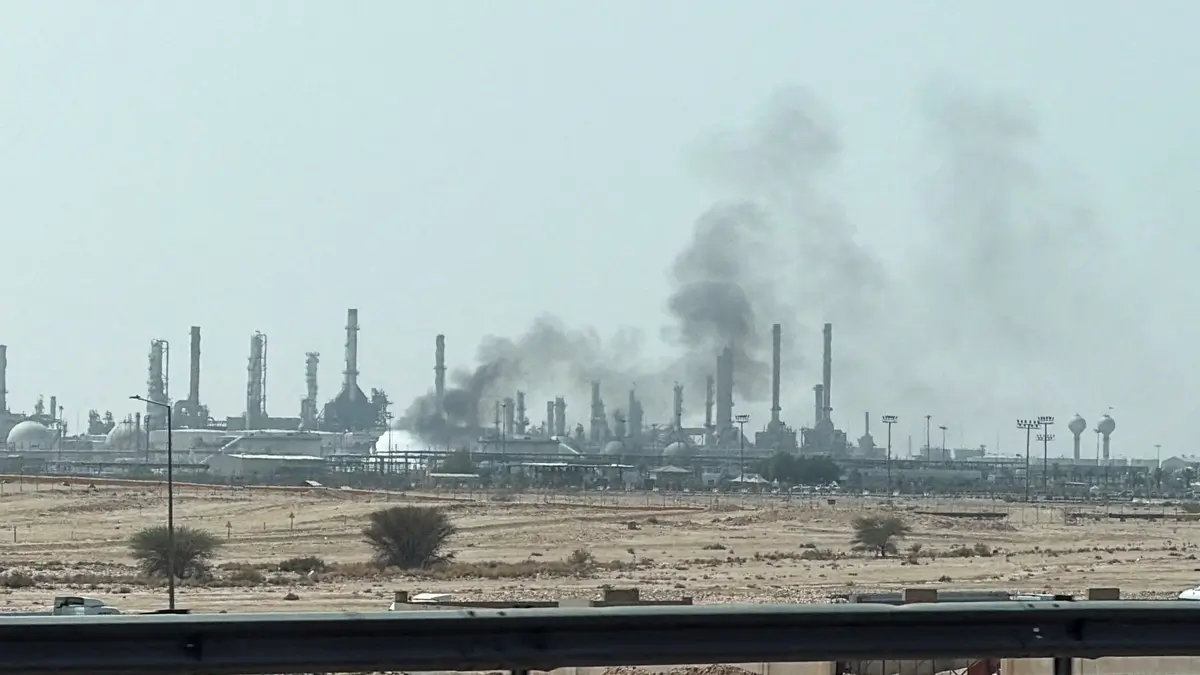
Oil Rises on Storm and Houthi Risks
Oil prices rose on October 7 as traders assessed two separate threats to global supply: a developing storm in the Gulf of Mexico and escalating attacks by Yemen’s Iran-backed Houthis on Saudi Arabia.
Brent crude rose 0.8% to $101.39 a barrel, while U.S. WTI gained 0.7% to $90.05.
Gulf Storm Threatens U.S. Production
The approaching storm was expected to become the first Atlantic hurricane of the year.
The potential impact is significant because the affected Gulf of Mexico region accounts for around 15% of U.S. crude production and 5% of natural gas production.
Up to six refineries could also be affected. Refineries along the Gulf Coast account for approximately half of U.S. refining capacity.
This creates a risk not only for crude production but also for refined fuel supplies.
Middle East Tensions Add Another Supply Risk
At the same time, Houthi attacks on Saudi Arabia increased geopolitical concerns.
Although Saudi and broader Middle Eastern crude exports have shown signs of recovery, the market remains highly sensitive to any new disruption.
U.S. crude inventories also declined by more than two million barrels in the previous week, adding another layer to the supply concerns.
Why Oil Matters for Other Markets
Oil at or above $100 creates an important inflation risk.
Higher energy prices can increase headline inflation and potentially make central banks more cautious about cutting interest rates.
For the dollar, this can be supportive if markets believe higher energy prices will keep U.S. rates elevated.
For gold, the impact is more complicated. Inflation concerns can support gold, but higher yields and a stronger dollar can offset that support.
For equities, expensive energy can reduce corporate margins and consumer purchasing power.