Japan’s Manufacturing Sector Expands at Its Slowest Pace in Seven Months
Manufacturing Growth Slows in October
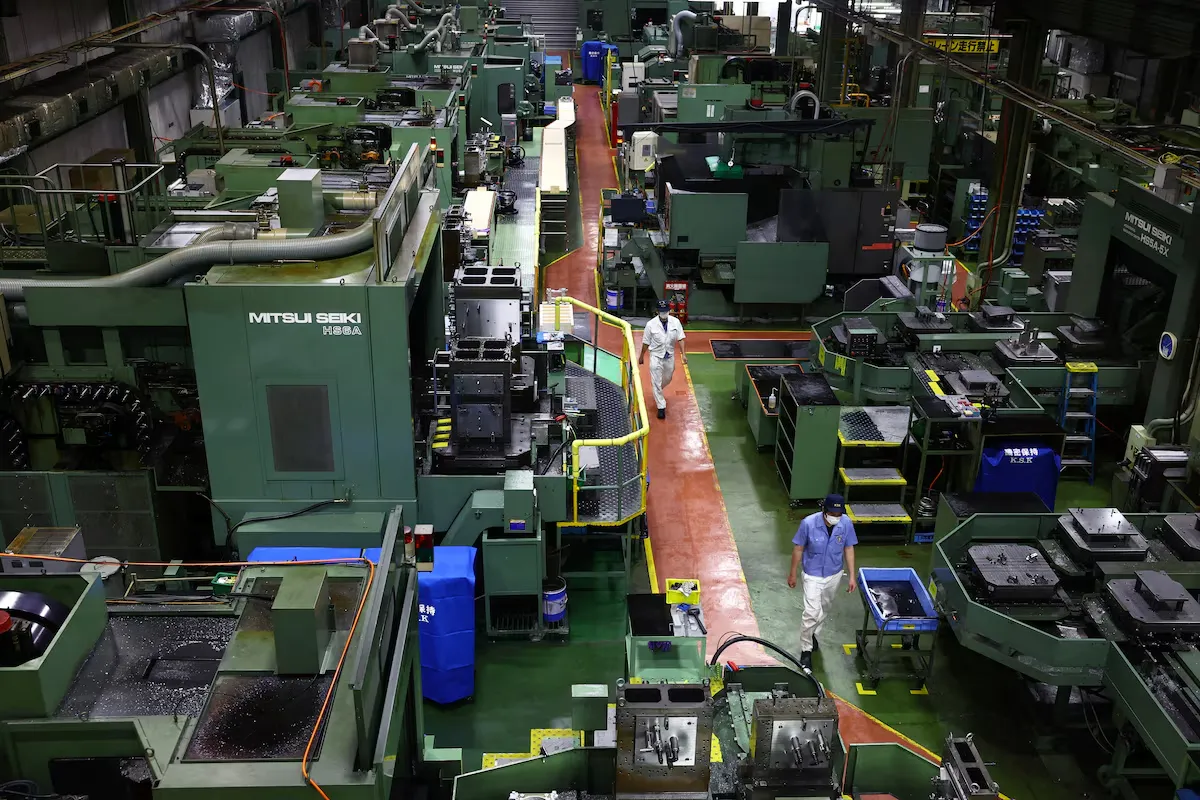
Japan’s manufacturing sector continued to expand in October. However, growth slowed to its weakest pace in seven months. Factory output and new orders lost momentum, while input costs increased.
The latest business survey, reported by Reuters on November 2, points to a manufacturing sector that remains in expansion. However, the sector is facing a more challenging operating environment.
Why Manufacturing Surveys Matter
Manufacturing surveys are important economic indicators. They provide an early view of business activity before official industrial-production figures are released.
These surveys can reveal whether companies are receiving more orders, increasing production, hiring workers or facing higher costs. When manufacturing growth slows, investors generally look for confirmation in subsequent releases.
These releases include industrial production, exports, employment and corporate earnings.
Rising Costs Create a Challenge
The combination of slower output and rising input costs presents a particular challenge. Manufacturers may find it harder to expand production if demand weakens.
At the same time, higher material and operating expenses can reduce profit margins. Companies may attempt to pass those costs to customers. However, their ability to do so depends on competition and the strength of demand.
If customers resist higher prices, businesses may have to absorb part of the increase.
Impact on Japan and Global Markets
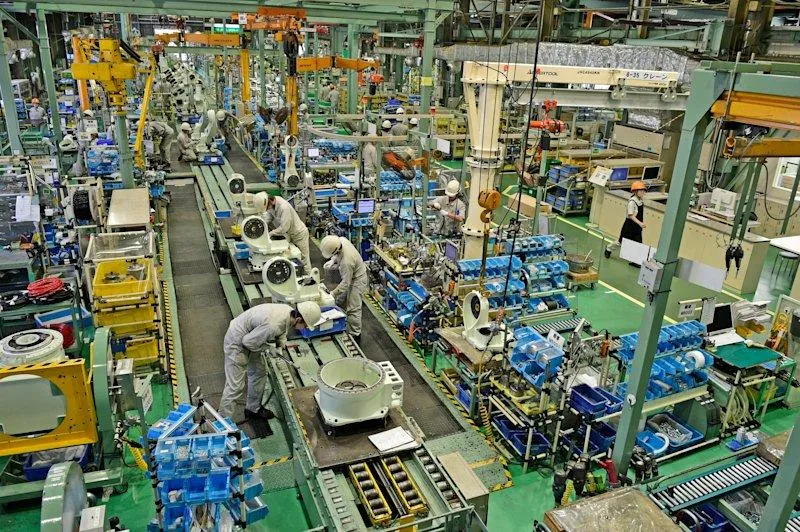
Japan’s manufacturing performance also matters to international investors. The country is closely integrated into global supply chains.
Changes in Japanese factory activity can influence suppliers, industrial companies, exporters and demand for imported raw materials.
However, the survey alone does not establish that Japan is entering a recession. It also does not show that manufacturing output has begun contracting. According to the Reuters report, the sector remained in expansion.
What Traders Should Watch
For financial markets, the key question is whether this slowdown proves temporary. Another possibility is that it develops into a broader weakening of demand.
Therefore, investors will need to compare manufacturing indicators with inflation, consumer spending, trade data and the Bank of Japan’s policy outlook.
Rising input costs could complicate the central bank’s decisions. This could happen if inflation remains persistent while economic momentum weakens.
Outlook for Japanese Assets
The report therefore presents a mixed picture. Japanese factories are still expanding, but the pace of growth is slowing and cost pressures are increasing.
These developments deserve attention from traders monitoring Asian equities, the yen and expectations for regional economic growth.
However, the precise effect on asset prices will depend on future data and monetary-policy signals. It will not depend on one survey alone.