Asian Markets Face Uncertainty as Nvidia Shares Come Under Pressure
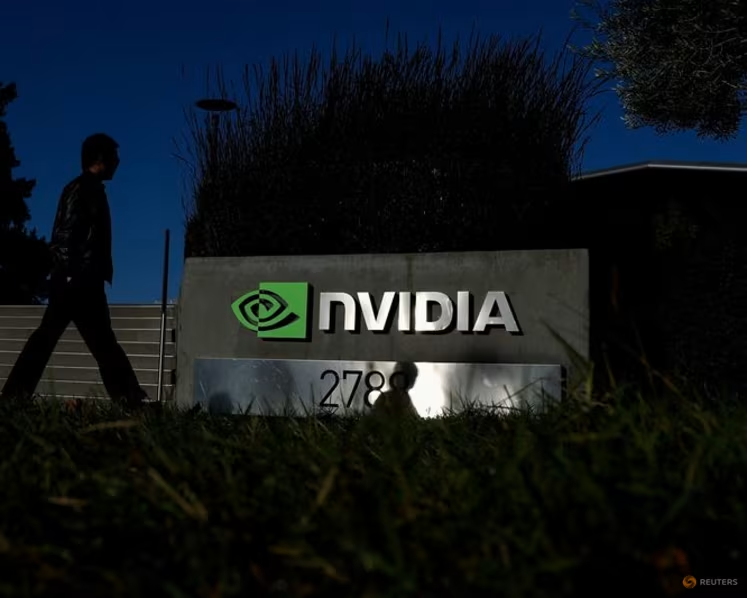
Global equity markets traded unevenly at the beginning of Thursday’s Asian session as investors reacted to developments surrounding Nvidia and the possibility of a leadership change at the company. Nvidia shares fell more than 8% in after-hours trading after reports indicated that its board was considering whether to remove longtime chief executive Jensen Huang. The uncertainty created additional pressure on US equity futures, with S&P 500 e-mini futures declining approximately 0.4%. The development is particularly important because Nvidia remains one of the most influential companies in the global artificial-intelligence investment cycle.
Regional Markets Show Mixed Performance
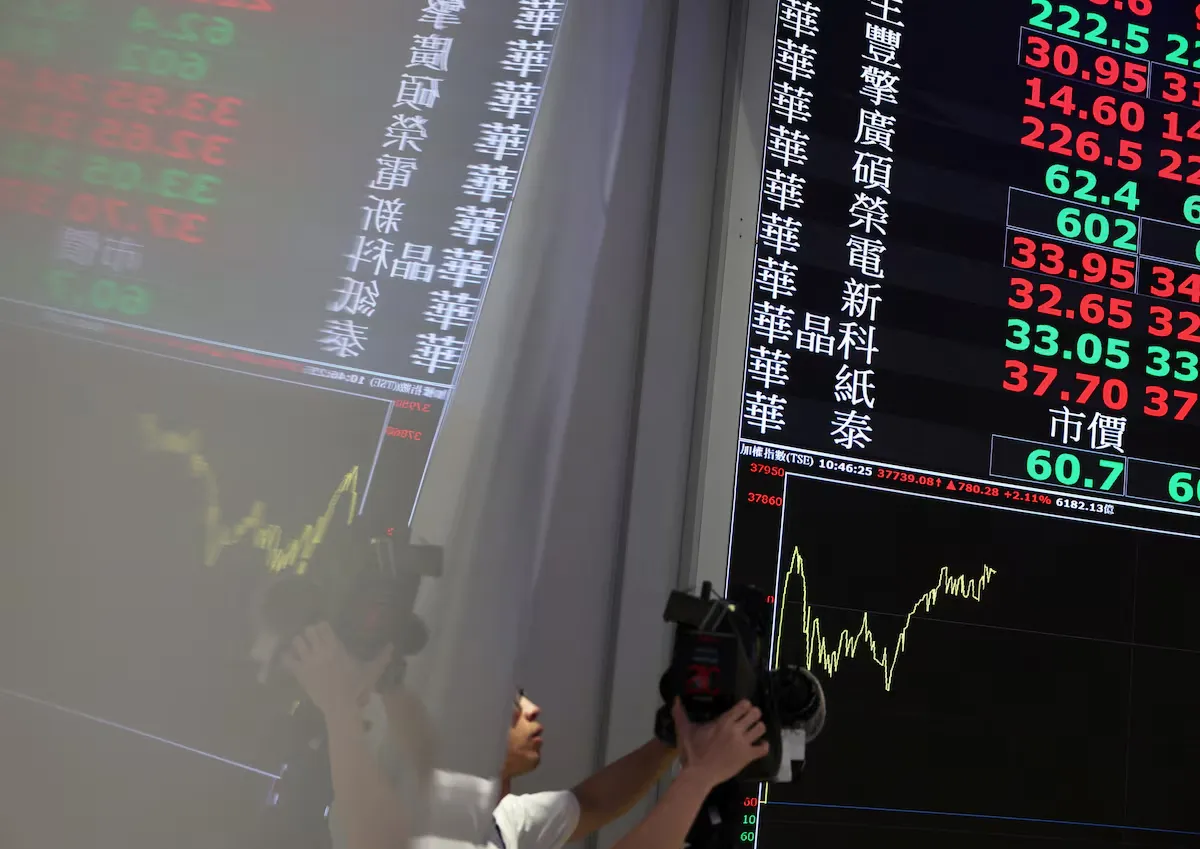
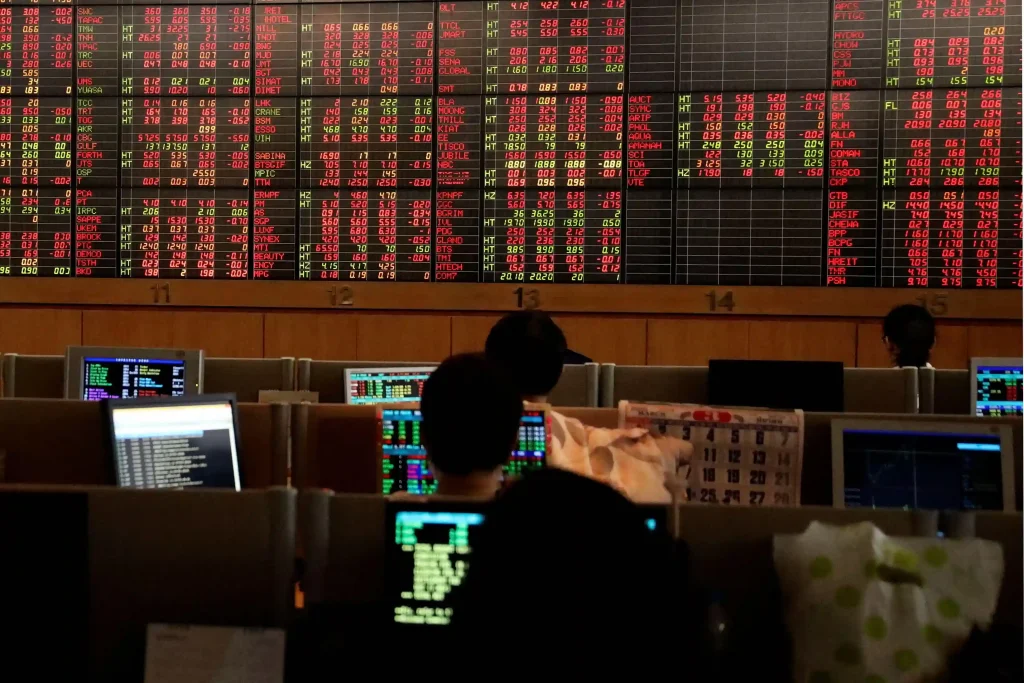
Despite the pressure surrounding Nvidia, several Asian equity markets managed to recover after a volatile opening. South Korea’s KOSPI advanced 0.2%, Taiwan’s benchmark index gained 0.5%, and Japan’s Nikkei 225 climbed 0.5%. However, the broader MSCI Asia-Pacific index excluding Japan edged 0.1% lower, partly affected by weakness in Hong Kong shares. The mixed performance indicates that investors are not responding uniformly to the latest technology-sector developments. Markets with substantial exposure to semiconductor manufacturing remain sensitive to changes in investor confidence toward the AI industry.
Wall Street’s Recovery Faces a New Test
The uncertainty in Asia followed a strong recovery on Wall Street during Wednesday’s session. The S&P 500 gained 1.3%, supported by renewed optimism surrounding AI-related companies, while the Nasdaq rose 1.6%. Positive corporate developments involving CoreWeave and Anthropic helped restore some confidence after the technology-led selloff of the previous week. However, Nvidia’s sudden decline in after-hours trading introduced another source of uncertainty. Investors must now assess whether the wider AI sector can maintain its recovery despite company-specific leadership concerns. The next market reaction may depend on the board’s decision, corporate earnings and the sustainability of investment in AI infrastructure.