Japan’s Economy Records an Unexpected Contraction
Japan’s economy unexpectedly contracted in the July–September quarter of 2026, highlighting the pressure that persistent inflation is placing on household consumption. Official data released on Monday showed that gross domestic product declined at an annualised rate of 0.1%, compared with market expectations for 0.3% growth. This marked the first economic contraction in four quarters, following a revised expansion of 1.7% in the previous quarter.
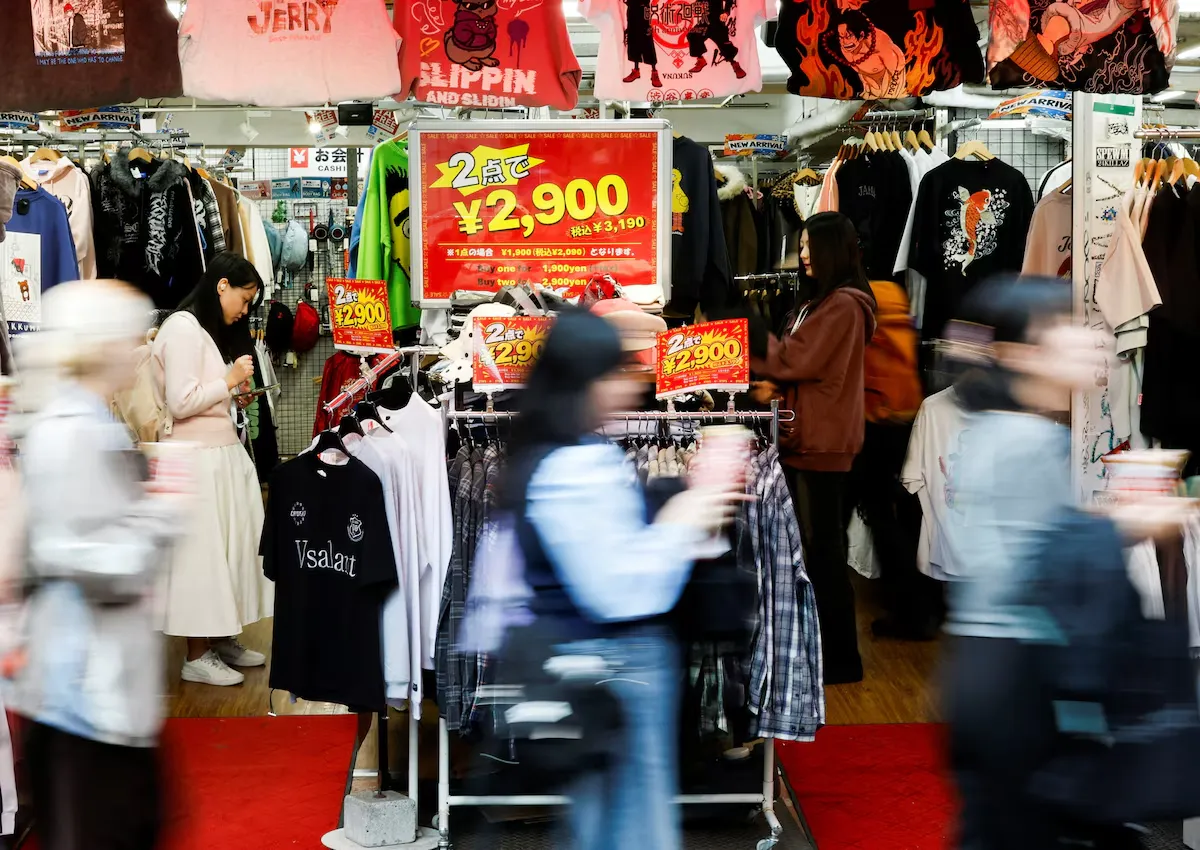
The main weakness came from private consumption, which accounts for more than half of Japan’s economic output. Household spending fell 0.3% as higher living costs, poor weather and weaker demand for automobiles and air conditioners affected consumer activity. Although wages have been rising, persistent price increases continue to limit the purchasing power of Japanese households.
Investment and External Demand Provide a Mixed Picture
Not every component of the Japanese economy weakened. Capital expenditure increased 1.6%, supported by investment in labour-saving technology and artificial intelligence-related projects. This suggests that companies are still investing in productivity improvements despite softer household demand.
However, net external demand reduced GDP growth by 0.6 percentage point. Imports increased as Japan purchased more oil and other energy products, partly offsetting the contribution from exports. The development also highlights Japan’s vulnerability to international energy prices and geopolitical disruptions.

Implications for the Bank of Japan
The weaker GDP result creates a difficult policy balance for the Bank of Japan. On one side, declining consumption could encourage policymakers to proceed cautiously with further interest-rate increases. On the other, persistent inflation, higher energy costs and a weak yen continue to create pressure for monetary tightening.
Several analysts still expect the BOJ to consider another rate increase as early as December. The central bank will need to determine whether the economic slowdown is temporary or a sign of more persistent weakness in domestic demand.