South Asia Growth Holds Firm Despite Energy Risks
South Asia’s economic growth outlook has improved despite higher energy prices, elevated inflation and growing risks from extreme weather. The World Bank has raised its forecast for regional growth in 2026 to 6.9%, 0.6 percentage point higher than its previous estimate.
The stronger outlook reflects surprisingly resilient consumer demand across the region. Government measures designed to shield households from higher energy costs, strong remittance flows and solid domestic demand have helped cushion the impact of the energy shock.
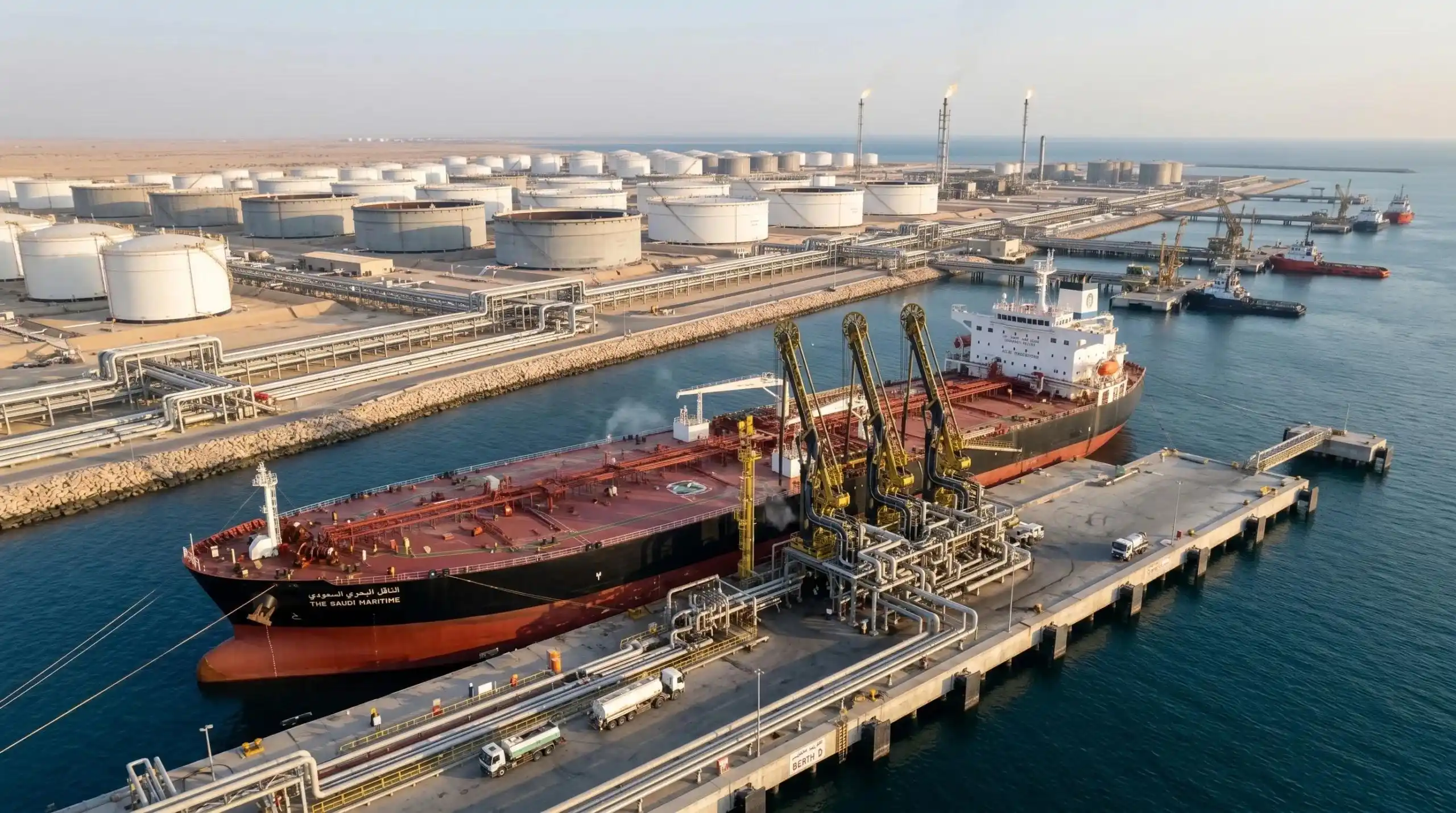
South Asia relies heavily on imported energy. However, economic activity has remained more resilient than expected despite disruptions linked to the Middle East conflict.
India remains the main growth engine
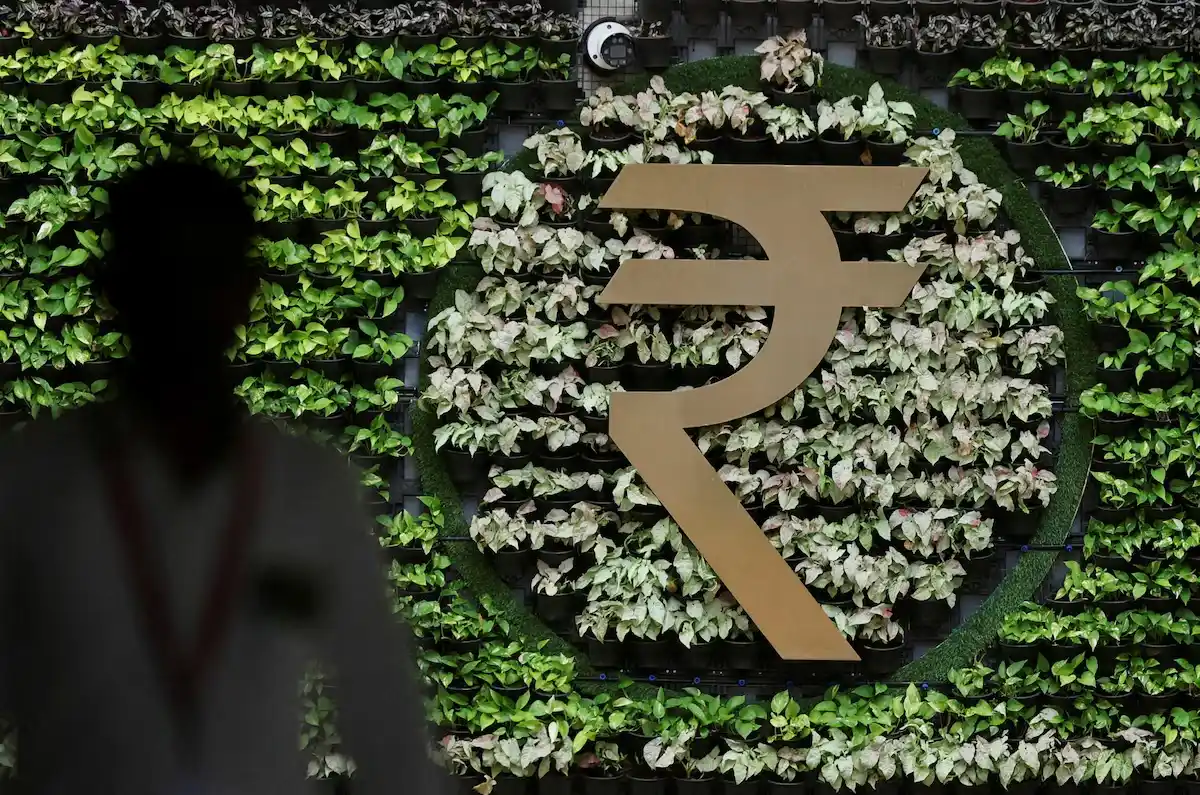
India, the region’s largest economy, is expected to expand by 7.1% in the 2026/27 financial year. The forecast exceeds the World Bank’s previous estimate of 6.6% issued in June.
However, the latest forecast remains well below the 8.6% growth recorded in 2025/26.
Economic activity has remained resilient despite higher inflation reducing household purchasing power. World Bank Chief Asia Economist Franziska Ohnsorge said inflation has had a notable delayed effect on economic activity.
She highlighted this effect particularly in emerging markets. These economies can take considerable time to absorb major price shocks.
Inflation is expected to remain elevated into 2027. A majority of economists polled by Reuters also expect India’s central bank to raise interest rates by 25 basis points on October 7.
Oil, weather and global markets remain key risks
The improved growth outlook does not remove the risks facing the region. Persistently high oil prices could put additional pressure on consumers and businesses.
A severe El Niño weather event could also affect agricultural production, rural demand and inflation. India could face particularly strong effects.
The World Bank also warned that a global market correction could undermine regional growth.
Another structural challenge involves the adoption of artificial intelligence. The World Bank said wider AI deployment could help South Asian economies maintain growth and create better jobs.
However, South Asian economies still lag advanced economies in AI adoption. In India, around 23% of firms report using AI. The figure compares with 43% in the United States.