Oil Gains as Traders Assess Middle East Supply Risks
Oil prices moved higher in early Asian trading on October 12 as traders assessed escalating attacks involving Saudi Arabia and the risk that the conflict could spread further across the Middle East. The rise reflected concerns about potential disruptions to energy infrastructure and shipping routes that are important to international oil flows.
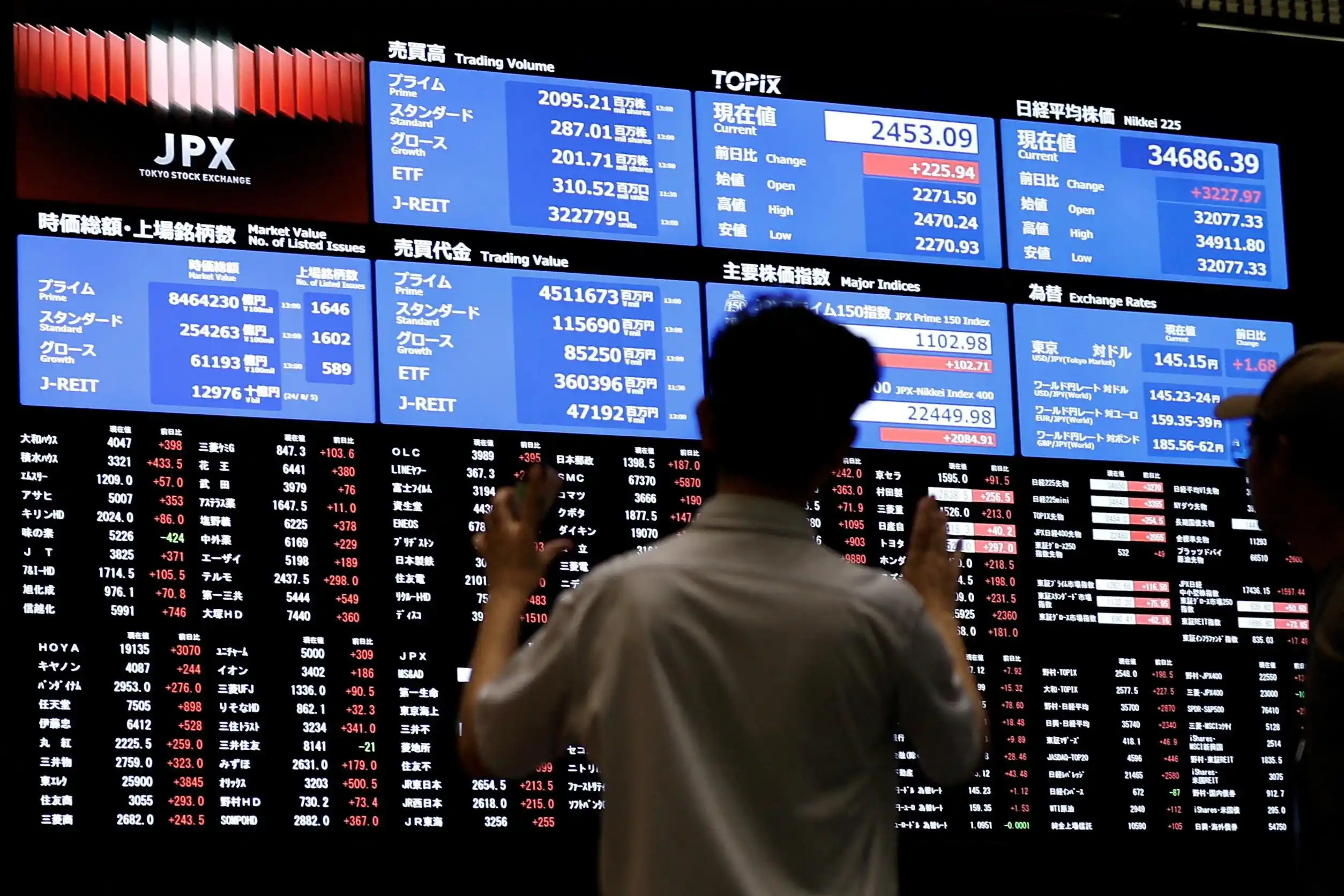
Bloomberg reporting published by The Edge Malaysia said Brent crude, the global benchmark, advanced 0.4% to $105.10 per barrel in early trading. The US dollar also edged higher against major currencies, while the Australian dollar was broadly steady. S&P 500 futures gained after the underlying US index closed 0.6% higher on Friday.
Why Saudi Arabia and Shipping Routes Matter
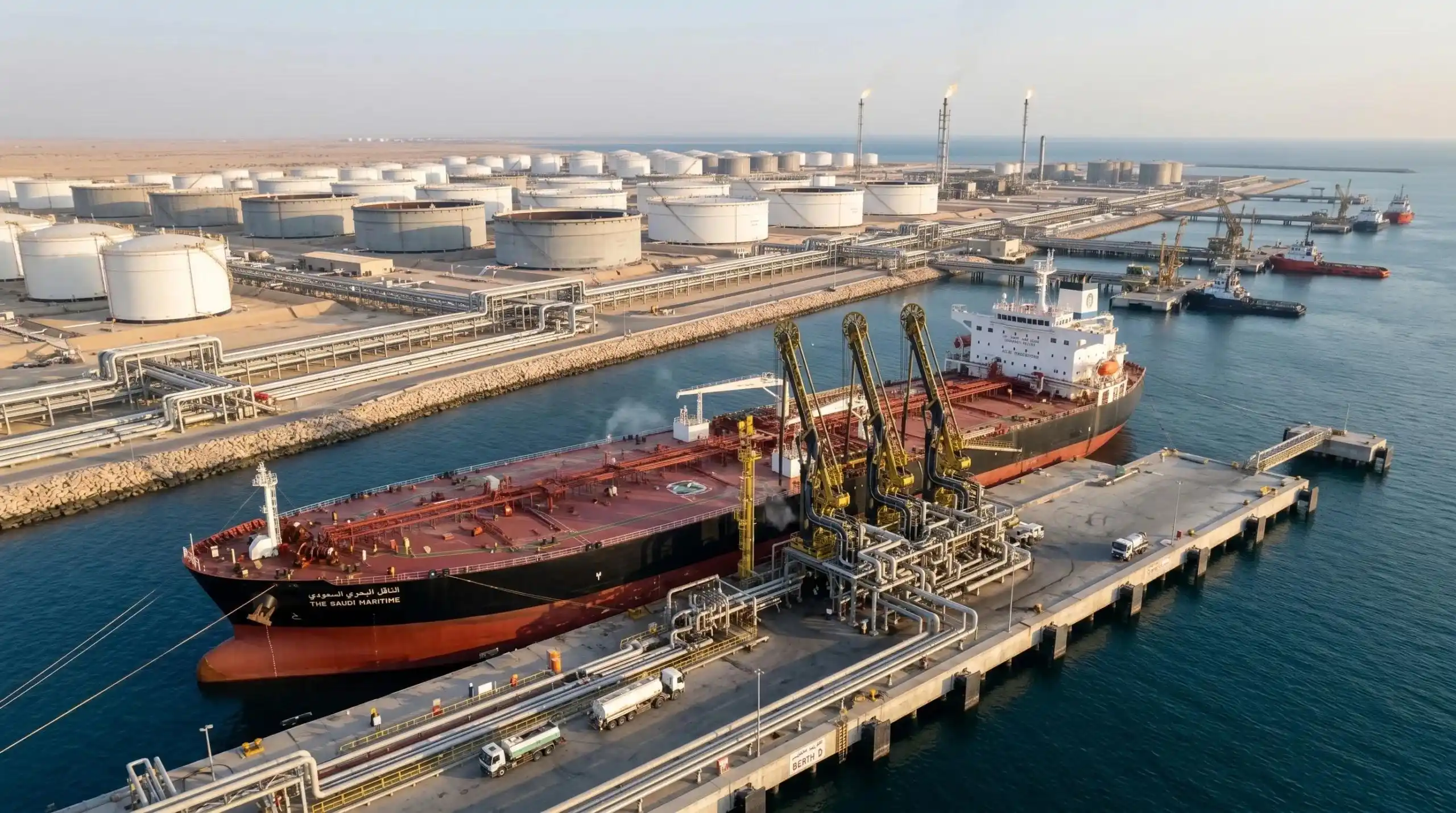
Saudi Arabia is a major participant in the global oil market. Attacks affecting its energy facilities, airports or transport networks can raise concerns about production, exports and the security of nearby routes. Even when physical supply has not been confirmed as interrupted, traders may adjust prices to reflect the possibility of future disruption.
The report described a renewed Houthi attack on Saudi Arabia’s main airport on Sunday, following a strike the previous day that killed 12 people. The escalation raised concerns about a wider conflict that could draw in the United States and disrupt energy supplies and global trade.
The Bab el-Mandeb strait was also relevant to the risk picture. This maritime chokepoint connects the Red Sea with the Gulf of Aden and is an important route for shipping between Asia and Europe. Threats to passage through such routes can increase insurance, freight and delivery costs, even if oil production itself remains unchanged.
Market Direction Remains Sensitive to New Information
A rise in oil prices does not necessarily mean that a sustained rally has begun. Energy prices respond to both immediate security concerns and expectations about future supply and demand. Traders also assess whether the latest attacks will lead to further military action, restrictions on shipping or direct damage to energy infrastructure.
Currency movements can add another layer to the market response. A stronger US dollar can make dollar-priced commodities more expensive for buyers using other currencies, potentially affecting demand. Meanwhile, movements in equity futures show that investors were also monitoring broader risk sentiment rather than energy alone.
For traders, the key variables are the scale and duration of any supply disruption, the security of major shipping routes, and developments in the regional conflict. The reported price move captures the market’s initial response to elevated risk; it does not establish that a lasting shortage has occurred.