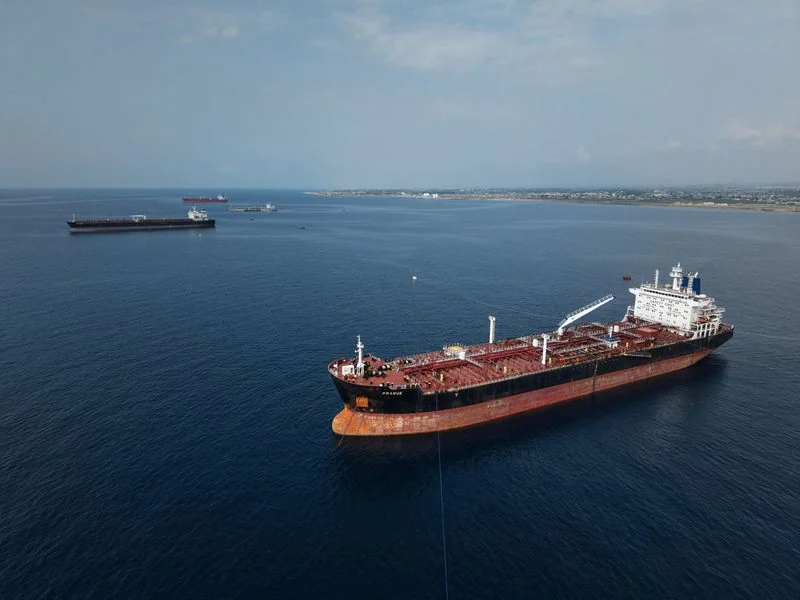
Oil prices rose more than 1% on Wednesday, October 28, 2026. Markets reassessed supply risks after Iran-aligned Houthi forces claimed they had attacked Saudi Arabia’s largest oil refinery with a missile.
Reuters reported that Brent crude futures rose $1.59, or 1.4%, to $115.47 per barrel at 0435 GMT. US West Texas Intermediate crude gained $1.43, or 1.4%, to $101.33 per barrel.
The gains followed a decline of nearly $2 on Tuesday. Hopes for Middle East peace talks had previously reduced market concerns about possible supply disruptions.
The Saudi authorities had not confirmed the reported strike
According to Reuters, the Houthis said on Tuesday that they had struck Saudi Arabia’s largest oil refinery with a missile. The group was intensifying its attacks against Saudi Arabia, a major global oil producer.
However, Saudi authorities had not immediately confirmed the strike on the facility, which was described as having capacity of 550,000 barrels per day. It is therefore important to distinguish the attackers’ claim from official confirmation of damage or disrupted production.
For energy markets, attacks on oil infrastructure matter because they can threaten processing, distribution, and exports. Even without confirmed disruption, the possibility of reduced supply can influence prices if traders consider the risk significant.
Saudi Arabia is the world’s largest crude oil exporter. As a result, threats to its energy facilities can affect market assessments of global supply availability.
Oil remains elevated amid geopolitical uncertainty
Reuters quoted ING commodity strategists as saying that markets were still pricing in a greater likelihood of renewed escalation. They said oil prices remained elevated as traders waited for greater clarity about US President Donald Trump’s next move toward Iran.
The ING strategists also said that if the election period passed without renewed strikes on Iran, the oil market’s risk premium might begin to erode. This was an analyst assessment, not a guarantee that geopolitical risks would soon decline.
A risk premium is an additional amount that markets may assign to prices when supply disruptions are possible. When risks rise, buyers may be willing to pay more to secure supply. If tensions ease, some of that premium may disappear.
This makes oil prices sensitive to diplomatic and military developments. New information about the conflict can trigger rapid price moves, even when physical supply and demand data have changed little.
US crude inventories provide another market factor
Reuters reported that US crude inventories fell by about 2.03 million barrels in the week ended October 23. The figure came from market sources citing data from the American Petroleum Institute.
Falling inventories can support prices because they indicate a reduction in available stocks. However, API figures are preliminary industry data and should be distinguished from official US government inventory data.
Markets also monitor inventories, production levels, exports, and fuel demand. Those factors can reinforce or offset the effect of geopolitical news on oil prices.
In a separate report, Reuters recorded Brent near $115.47 per barrel and WTI near $101.40 during Asian trading. These prices showed that crude remained elevated as supply risks returned to focus.
OPEC+ and the future supply outlook
The Reuters report also said OPEC+ countries were expected to keep their December production targets unchanged. The information came from three sources familiar with the discussions.
An expectation based on sources should be distinguished from an official decision. If production targets remain unchanged, actual supply will still depend on member countries’ output and export conditions.
Reuters added that production in most of the seven core OPEC+ members was below their respective targets. This means official production targets and actual output do not always match.
Markets were also watching the possibility that Russian crude exports from Baltic and Black Sea ports could decline the following month. Traders linked the potential decline to higher diesel production at domestic Russian refineries following a deal with Washington earlier in the month.
These developments add complexity to the supply outlook. Prices are influenced not only by one reported attack, but also by production, exports, inventories, and policy decisions by oil-producing countries.