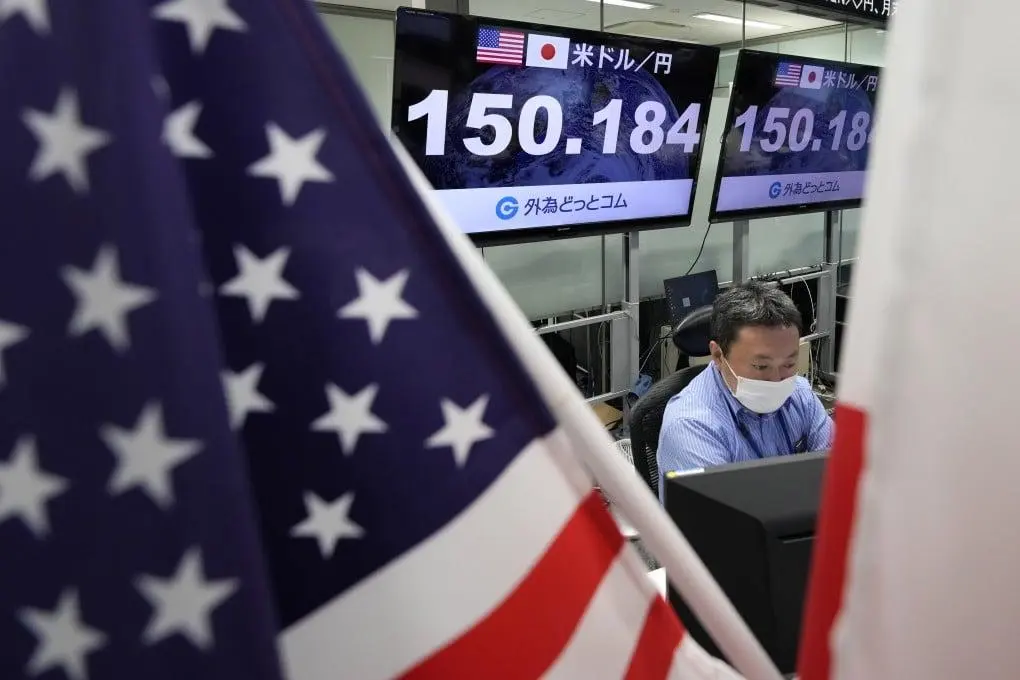
The Japanese yen traded near 158.18 per US dollar in early Asian trading on Thursday, little changed from the previous Tokyo market close. Currency markets remained cautious as investors assessed interest-rate expectations, geopolitical tensions and the impact of higher energy prices on inflation.
The yen’s limited movement reflected a market still balancing domestic monetary policy against developments overseas. Investors are watching the Bank of Japan’s next policy meeting, scheduled for October 30, for clues about the timing of any further rate increase. The central bank’s guidance will be important for the yen because changes in the interest-rate gap between Japan and the United States can influence demand for the currency.
Bank of Japan Expectations Remain Important
A Reuters poll published earlier this week found that most economists expected the Bank of Japan to hold rates at its October meeting, while anticipating a 25-basis-point increase in December. Those projections remain forecasts rather than confirmed policy decisions.
The yen has been sensitive to expectations for Japanese monetary tightening and to the level of US Treasury yields. If investors anticipate higher Japanese rates relative to US rates, the yen may receive support. Conversely, a persistent gap between the two countries’ yields can encourage investors to seek higher returns elsewhere.
Bank of Korea Decision Adds to Regional Policy Signals
The Bank of Korea kept its benchmark rate at 3.00% on Thursday after two consecutive increases earlier in the year. Its decision matched the expectations of all 34 economists surveyed by Reuters.
Although the decision does not directly determine the yen’s value, it adds to the regional picture of how Asian central banks are responding to inflation and growth. South Korean inflation remained above the central bank’s 2% target, while strong semiconductor exports continued to support economic activity.
Oil Prices and Geopolitical Risks Complicate Currency Trading
Higher oil prices have added uncertainty to the outlook for inflation and interest rates. Renewed attacks in Saudi Arabia prompted the United States to order some diplomats and family members to leave its missions in the kingdom, while concerns about shipping in the Gulf of Oman remained elevated.
Energy prices can affect currencies differently depending on whether a country imports or exports large amounts of oil. Higher prices may support the currencies of energy exporters, while putting pressure on countries that depend heavily on imported fuel through a weaker trade balance or higher inflation.
What Forex Traders Should Watch
Traders will monitor the Bank of Japan’s guidance, US Treasury yields, oil prices and the next set of inflation data. The yen’s direction will depend partly on whether the expected gap between Japanese and US interest rates narrows or widens.
The current level near 158 per dollar is an intraday observation, not a guarantee of the closing rate. Currency prices can change quickly when central-bank officials speak or geopolitical developments alter demand for safe-haven assets.