Exit Polls Point to a Parliamentary Deadlock
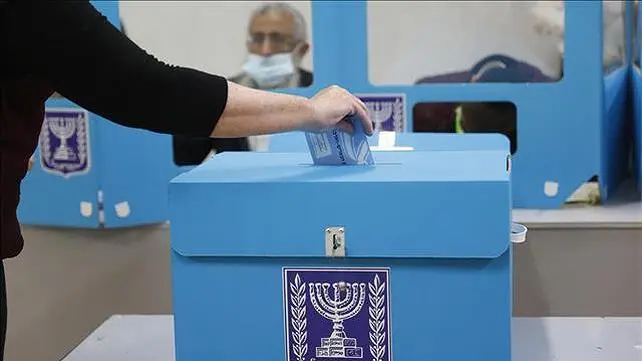
Israel’s election left Prime Minister Benjamin Netanyahu and opposition challenger Gadi Eisenkot without a clear path to forming a government, according to exit polls reported by Reuters on October 28. Both political camps claimed legitimacy to lead the country, but neither appeared to have secured the 61 seats required for a majority in the 120-member Knesset.
Estimates placed the two blocs close to one another, with some projections showing a narrow advantage for Netanyahu’s alliance. The differences between exit-poll estimates also underline why the final results and subsequent coalition negotiations will be important.
Coalition Negotiations Could Take Weeks
Israel’s parliamentary system makes coalition-building central to forming a government. Smaller parties can become decisive when the major blocs are unable to secure a majority independently.
The deadlock could allow Netanyahu to remain in a caretaker capacity while political parties negotiate. If neither side can assemble a viable coalition, the country could face a prolonged period of uncertainty and potentially another election.
Turnout was reported at 77.7%, the highest in more than two decades. The election was widely viewed as a public judgment on Netanyahu’s leadership during the wars that followed the Hamas-led attacks of October 7, 2023.
Security Policy and Iran Remain Central Issues
Netanyahu highlighted his security record and referred to the possibility of further joint action with US President Donald Trump against Iran. Eisenkot, a former military chief, argued that voters had rejected Netanyahu’s leadership and called for political change.
The result could influence expectations about Israel’s future approach to Iran, regional diplomacy and national security. However, an inconclusive election does not by itself establish a change in military policy. Government formation, official statements and subsequent decisions will be needed to determine whether policy changes occur.
Implications for Regional Risk
Investors and policymakers will be watching whether the political uncertainty affects diplomatic negotiations and regional security calculations. The Middle East remains important to energy markets and shipping, meaning any concrete escalation or disruption could affect oil prices, freight costs and risk sentiment.
At this stage, the immediate development is political uncertainty rather than a confirmed change in regional military operations. The final composition of parliament and the formation of a governing coalition will be critical to understanding the next phase.