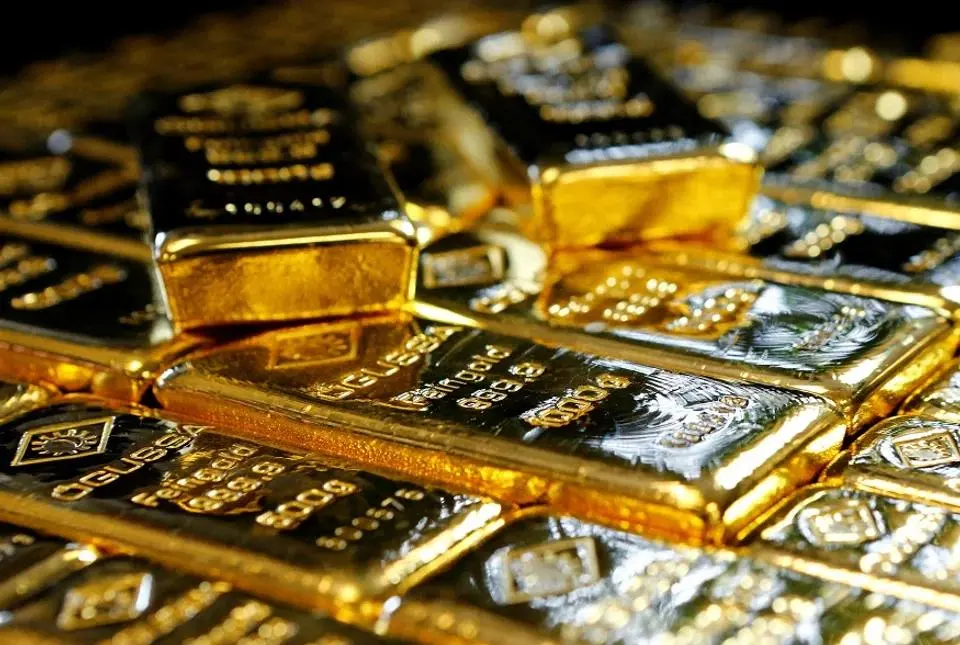
Gold Trades Near $4,051 as Investors Assess the Federal Reserve’s Policy Outlook
Spot gold traded near $4,051 per ounce in early Asian trading on October 29, 2026, according to the financial morning briefing published by FXBrokerTrust. The report described a market assessing the Federal Reserve’s decision to maintain its benchmark interest-rate range at 3.75%–4.00%, while also considering comments from the central bank’s chair and awaiting new US inflation information.
Gold had closed higher in the previous session, but the outlook remained sensitive to interest-rate expectations. Because gold does not pay interest, its relative attractiveness can be affected by changes in the yields available on government bonds and other interest-bearing assets.
Why Interest Rates Matter for Gold
When bond yields rise, investors may find interest-bearing assets more attractive relative to gold. This can create pressure on the precious metal, although the relationship is not constant. Gold can also respond to currency movements, geopolitical uncertainty, investment demand, central-bank purchases, and changes in expectations about economic conditions.
The Federal Reserve’s decision to hold rates steady did not necessarily mean that investors expected borrowing costs to fall soon. The central bank acknowledged that inflation remained elevated, and market participants continued to consider the possibility of another rate increase later in the year.
The morning briefing cited a US 10-year Treasury yield of approximately 5.034%, up 4.11 basis points at the time referenced. Higher yields can be relevant to gold because they change the opportunity cost of holding an asset that does not provide a coupon or dividend.
However, a single yield observation does not establish the direction of future gold prices. The impact depends on how yields move relative to expectations and how other factors affect demand for precious metals.
Inflation and Energy Prices
Investors were also waiting for the US personal consumption expenditures price index, commonly referred to as PCE inflation. The report described this data as an important input for evaluating the Federal Reserve’s future policy decisions.
Energy prices can complicate that assessment. Higher oil prices may increase transportation and production costs, potentially feeding into inflation. If inflation proves persistent, policymakers may be less willing to reduce interest rates. That scenario can weigh on gold through its relationship with yields.
At the same time, geopolitical uncertainty can support demand for safe-haven assets. The effect is not always straightforward: the same conflict that increases demand for defensive assets may also lift oil prices and inflation expectations, creating competing influences on gold.
Spot Gold and Futures Are Different
It is important to distinguish spot gold from gold futures. Spot prices reflect the market for immediate delivery, while futures are contracts for delivery at a specified date under exchange rules. The prices can differ because of financing costs, storage, interest rates, and other market conditions.
Consequently, a spot price near $4,051 should not be combined with a futures settlement price as if both represent the same instrument and observation time. Any published price should identify the instrument, time, and source.