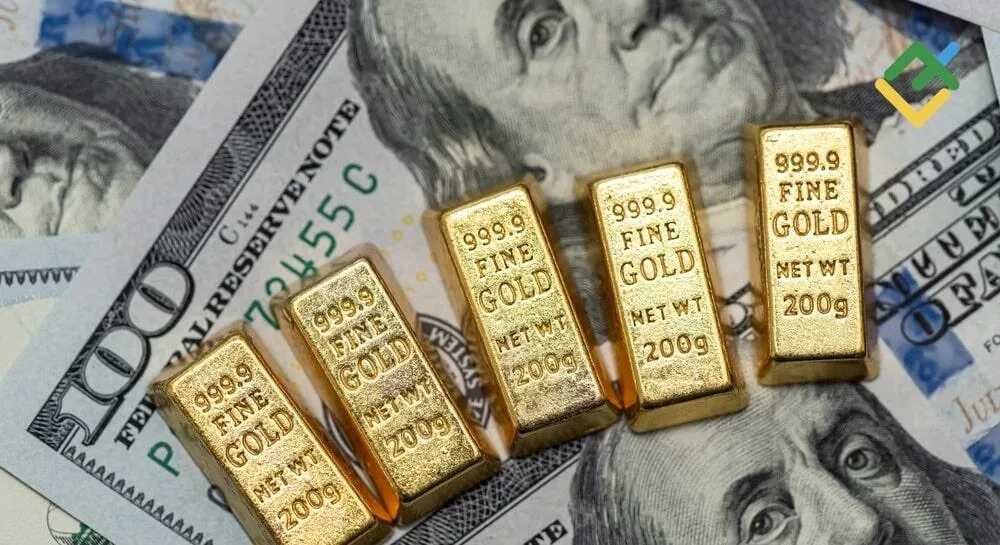
Spot Gold Holds Near $4,058 an Ounce
Spot gold was broadly flat at approximately $4,057.95 an ounce in Reuters’ October 28 market update as investors waited for the Federal Reserve’s policy decision. The metal remained around the $4,000 level, with traders assessing how interest-rate expectations, the US dollar and geopolitical developments might influence demand.
Gold’s relatively stable price reflected competing forces. Uncertainty surrounding monetary policy and international tensions can support demand for precious metals, while a firm dollar and elevated bond yields can limit their appeal.
Federal Reserve Expectations Shape Gold Trading
The Federal Reserve was a major focus for precious-metals investors. Gold does not pay interest, so changes in expected interest rates can affect its attractiveness relative to interest-bearing assets.
If investors expect rates to remain high or rise further, Treasury yields may offer stronger competition to bullion. Higher yields can increase the opportunity cost of holding gold, particularly when the dollar is also strengthening.
However, a policy decision cannot be evaluated in isolation. Investors also consider the central bank’s explanation of inflation, the economic outlook and the possibility of further policy tightening. Even if rates remain unchanged, the tone of the announcement may influence market expectations.
The Dollar and Energy Prices Add to Uncertainty
A stronger US dollar can make gold more expensive for buyers using other currencies. That can constrain demand even when geopolitical uncertainty supports interest in safe-haven assets.
Energy prices are also relevant because oil-price increases can feed into inflation. If energy costs remain elevated, the Federal Reserve may have less flexibility to ease monetary policy. Conversely, lower oil prices can reduce inflation concerns and potentially ease pressure on interest-rate expectations.
The relationship between oil and gold is not automatic. Prices respond to several forces at once, including currency movements, real yields, investment flows and geopolitical risks.
What Gold Traders Should Monitor
Gold traders will be watching the Fed’s policy statement, the direction of Treasury yields, the dollar index and developments in the Middle East. These factors may help determine whether gold can maintain its position above $4,000 or faces renewed pressure.
The quoted $4,057.95 figure is a spot-price snapshot from Reuters’ report, not a confirmed closing price for the entire day. Gold futures can also trade at different prices because they represent separate contracts with their own settlement terms.
The October 28 report therefore describes gold’s position ahead of the Fed announcement rather than a confirmed market reaction to the final decision.