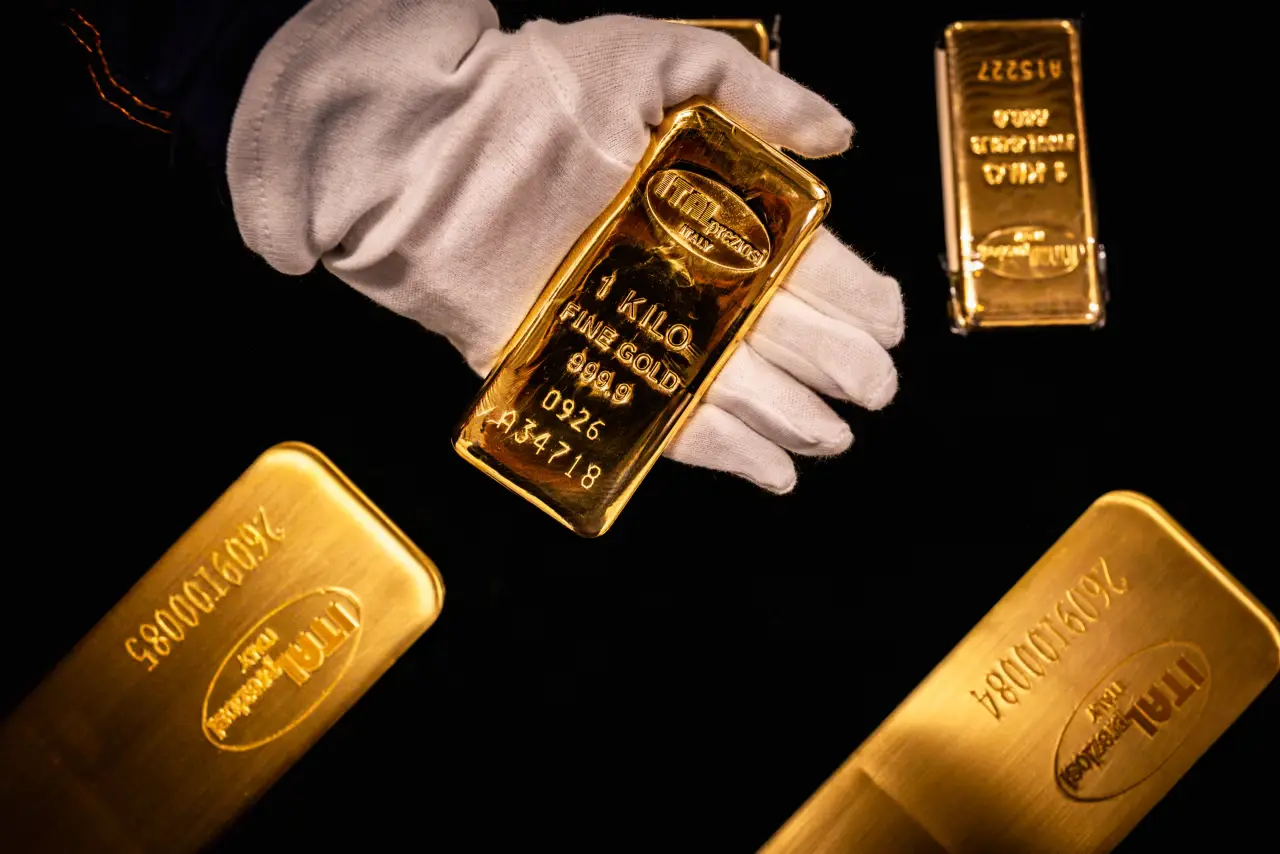
Gold trades just below the $4,000 threshold
Gold prices were little changed in early Asian trading on Monday, remaining just below the psychologically important level of $4,000 per troy ounce. The Wall Street Journal reported that spot gold was steady at $3,994.88 an ounce. The metal was attempting to stabilise after losing more than 4% over the previous week, when higher energy prices, inflation concerns and changing expectations for US monetary policy weighed on bullion.
The $4,000 level is being closely watched because it is a prominent round-number threshold for traders and investors. However, it should not be treated as a guaranteed price floor. Whether gold can regain that level depends on the direction of oil prices, inflation expectations, Treasury yields, the US dollar and demand for assets perceived as safe during periods of uncertainty.
Higher energy prices complicate the inflation outlook
Rising oil prices have revived concerns that inflation could remain elevated for longer. The WSJ report cited market commentary linking the renewed increase in energy prices to escalating Middle East tensions and the risk of disruptions to energy infrastructure. If oil remains expensive, transportation and production costs can rise, potentially feeding through to consumer prices.

That creates a challenge for gold. The metal does not pay interest, so it can become less attractive when markets expect interest rates to stay high or rise further. Interest-bearing assets may offer investors a more competitive return, while a stronger US dollar can make gold more expensive for buyers using other currencies. These factors can limit gold demand even when geopolitical uncertainty would normally support safe-haven buying.
What investors will watch next
The immediate outlook for gold depends on whether the energy-price shock intensifies or eases and how central banks respond to inflation. Investors will monitor economic data, interest-rate expectations and changes in bond yields for clues about the relative attractiveness of bullion. Renewed geopolitical escalation could support safe-haven demand, while persistent inflation and higher yields could continue to weigh on prices.
Monday’s trading therefore showed a market close to an important psychological level but without a clear directional signal. Gold’s position below $4,000 is a market observation, not by itself proof of a sustained bearish trend or a guaranteed rebound.