
Crude prices retreat after approaching six-month highs
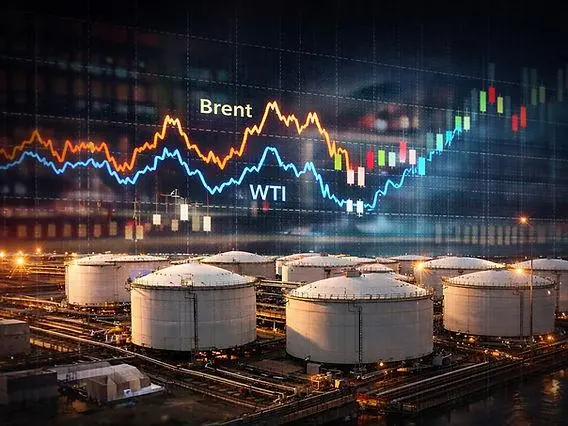
Oil prices declined by nearly $1 in early trading on Monday, retreating from their highest levels in almost six months. Reuters reported that US crude futures fell 99 cents, or 0.96%, to $102.28 a barrel, while Brent futures dropped 93 cents, or 0.8%, to $115.79. The declines followed a strong rally at the end of the previous week, when concerns about possible supply disruptions pushed prices higher.
The previous Friday, oil prices had settled almost $3 higher after Houthi attacks in Saudi Arabia heightened concerns about energy infrastructure and export routes. Brent gained approximately 6% over the week, while US West Texas Intermediate rose 2.3%. The pullback on Monday therefore followed a sharp increase rather than a prolonged period of falling prices.
Geopolitical risks remain a major influence
Despite the price decline, traders continued to monitor security developments in Saudi Arabia and the surrounding region. The Houthis said they had attacked a Saudi airport and oil facilities on Saturday, while Saudi authorities reported intercepting additional missiles and drones on Sunday.
Saudi Arabia also restarted partial operations at its main international airport on Sunday following damage from an earlier round of attacks. The continuing security risks have kept attention on the potential for disruption to energy infrastructure, oil exports and commercial transport. Even when production is not immediately reduced, concerns about the security of facilities and shipping routes can influence futures prices as traders reassess the possibility of future shortages.
Supply expectations and market positioning
The decline in oil prices suggests that traders were taking some profits after the previous week’s rally and reassessing the immediate balance between supply risks and available crude. A separate market assessment published by the Wall Street Journal said that oil’s pullback could represent a technical correction after the rally. It also cited analysis suggesting that Middle East oil flows had returned toward pre-war levels, potentially helping global inventories rebuild.
That view does not eliminate the risk of further price volatility. Oil remains sensitive to new attacks, changes in shipping access, production disruptions and diplomatic developments. If supply risks intensify, prices could rise again; if flows remain stable and the geopolitical situation eases, the market could see further corrections.
For traders, the key distinction is between a short-term price adjustment and a lasting change in physical supply. Monitoring actual production, export volumes, inventories and shipping conditions is essential to judging whether the recent rally is sustainable.