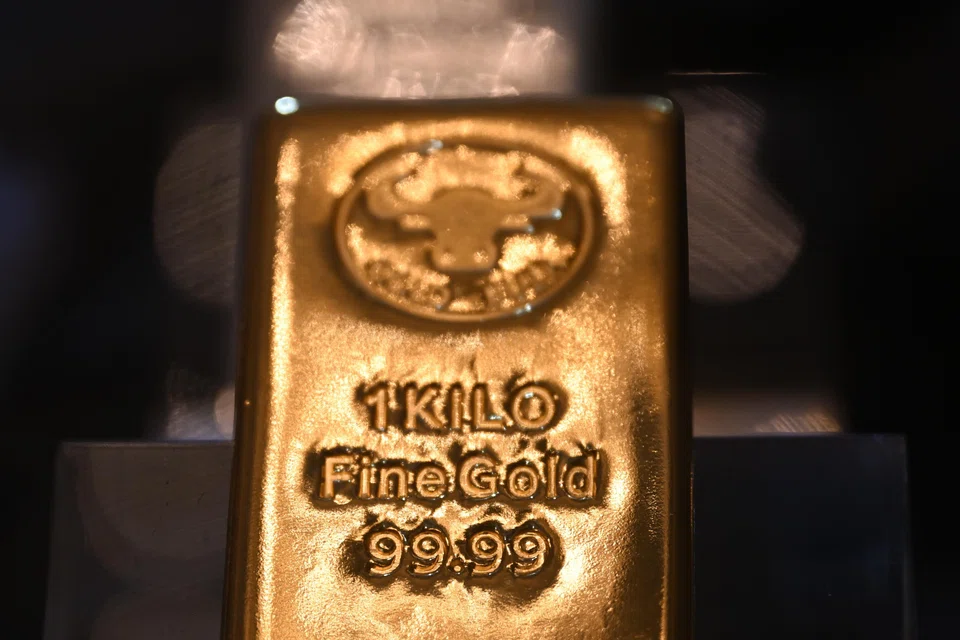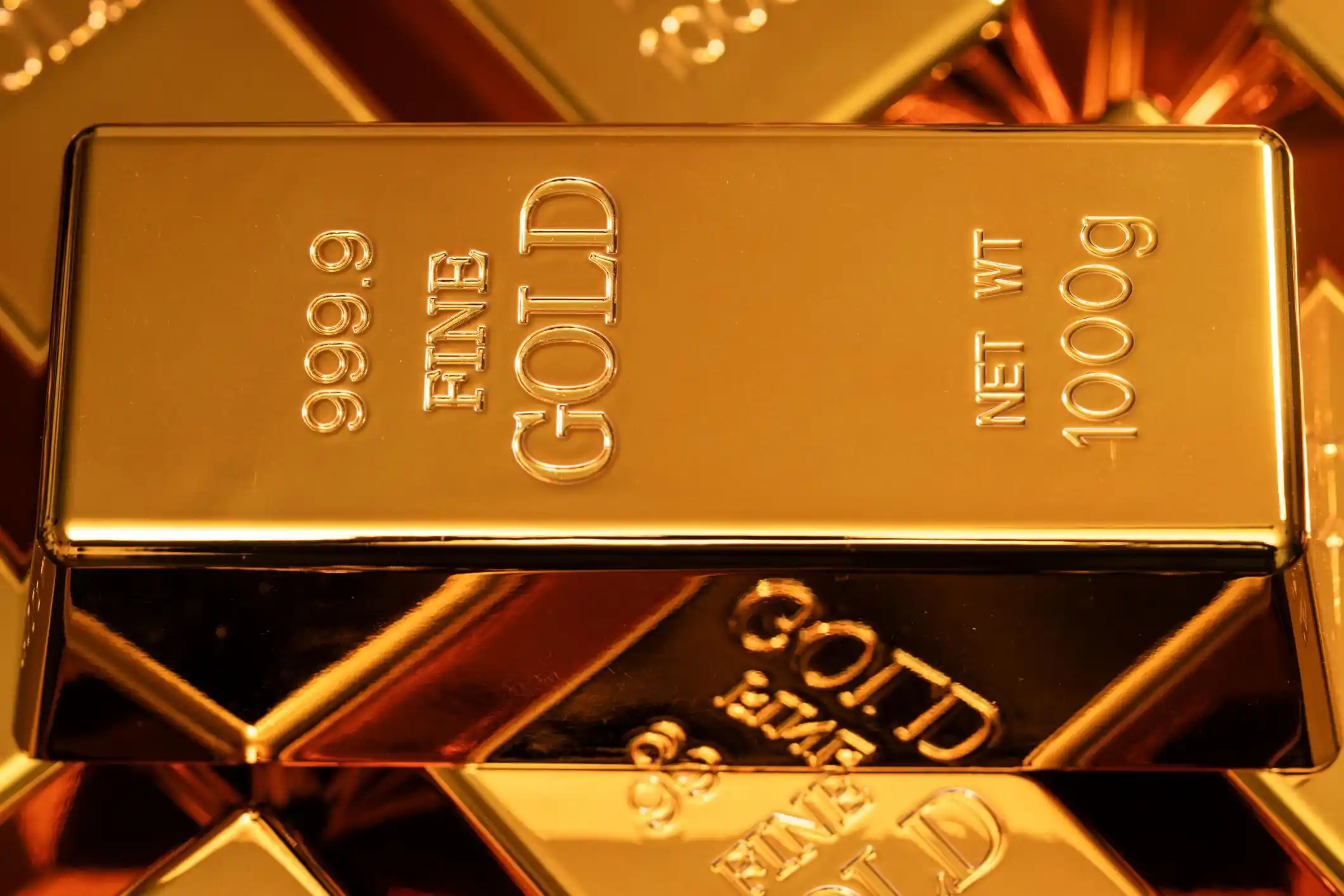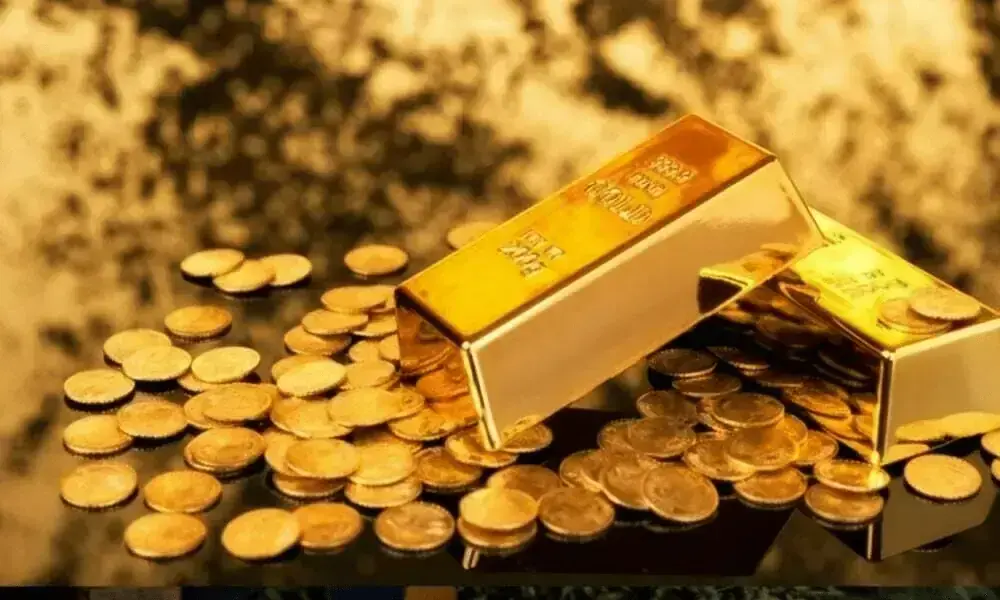
Gold has value because it combines several qualities that people have prized for thousands of years. It is rare, durable, easy to recognize, and easy to divide. Many people also continue to want it. Its value does not come from a government or a company. Instead, it comes from a long history of use and from the shared belief that others will accept it too.
If you have ever wondered why a shiny yellow metal is treated as precious, the answer becomes easier to understand when you look at each quality in turn.
What gives gold its value?
Value usually comes from two ideas working together: usefulness and scarcity. Something that many people want but cannot easily obtain tends to have value. Gold fits this pattern in several ways.
It is durable
Gold does not rust or tarnish in everyday conditions. A gold ring or coin can last for centuries without losing its appearance. This quality is unusual among metals.
This durability makes gold a practical way to store value over long periods.
It is scarce and costly to produce
People must find, mine, and refine gold. These processes take time, equipment, and money. New supply also grows slowly compared with the amount already above ground.
Because producers cannot increase supply quickly when demand rises, gold keeps its reputation for scarcity.
It is easy to work with and divide
Gold is soft enough to shape into jewelry, coins, and bars. People can also melt and reform it without changing its properties.
They can divide gold into small pieces and join it again. This quality is useful for trade and for creating items of different sizes.
It is easy to recognize
Pure gold has a distinctive color and weight. People can also test it for purity.
People in different regions and eras have recognized and verified gold. This ability helps build trust.
The role of history
For much of history, people used gold as money, decoration for rulers and temples, and a way to display wealth. Many cultures in Asia, the Middle East, Africa, and Europe developed customs around gold.
These customs include wedding jewelry and family savings.
For centuries, some countries tied their currencies to gold. Under these systems, people could exchange paper money for a fixed amount of metal.
Today, most national currencies no longer have this link to gold. Yet central banks still hold gold among their reserves.
This long history helps explain why gold remains familiar and trusted.
Who creates demand for gold today?
Value is not only about the past. Demand keeps gold’s price active. Today, several groups want gold:
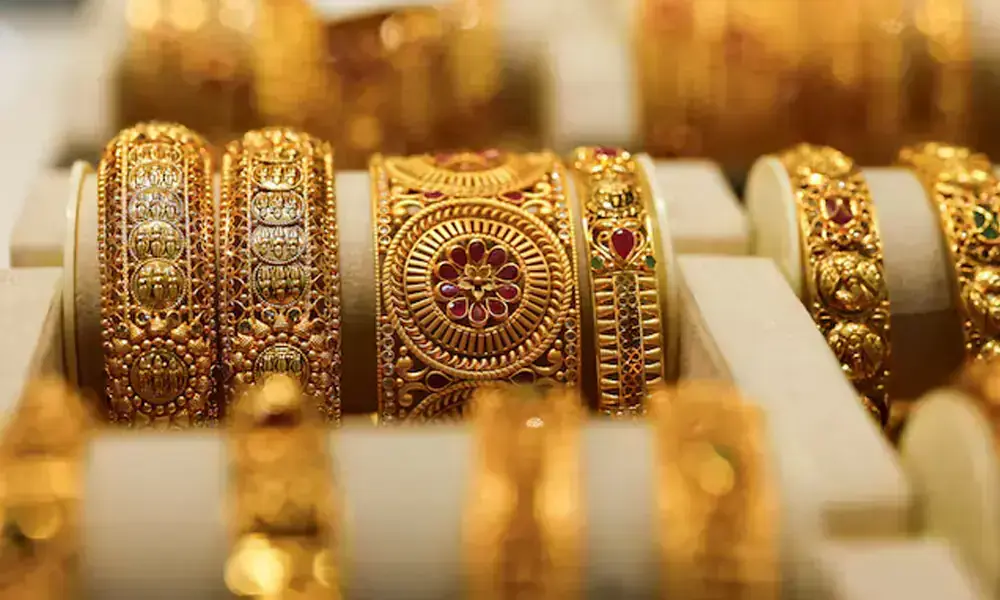
- Jewelry buyers. Jewelry is a major source of demand in many countries. It often connects to tradition and celebrations.
- Investors and savers. Some people hold gold bars, coins, or gold-linked investments as a store of value. Others use gold to diversify what they own.
- Central banks. Many central banks hold gold as part of their reserves.
- Industry and technology. Gold conducts electricity well and resists corrosion. As a result, manufacturers use it in electronics and some medical and technical products.
When more people want gold than want to sell it, the price tends to rise. When demand weakens, the price may fall.
Why is gold different from a bank deposit or a bond?
A bank deposit or a bond represents a promise. Someone owes you money. Its value depends on the borrower’s ability to repay and on the stability of the currency used for payment.
Physical gold does not represent someone else’s debt. It is an object that people value without relying on a single issuer’s promise.
That difference is a major reason some people pay attention to gold during financial stress or rising prices.
At the same time, gold does not pay interest or dividends. You can gain from holding it only if its price rises. The price can also fall.
Value versus price
It helps to separate value from price. Value explains why people want gold. Price shows what the market is willing to pay today.
Prices can move up and down even when the underlying reasons for wanting gold remain the same.
Gold’s price can also stay below earlier levels for long periods. Nobody can promise that it will rise.
Common misconceptions
“Gold is valuable because it is backed by a government.” Gold is not issued or backed by a government. Its value comes from scarcity, tradition, and demand.
“Gold never loses value.” Its price has fallen in the past, sometimes for years. Holding gold does not eliminate risk.
“Gold is only useful as jewelry.” Gold also serves in technology, central bank reserves, and investment.
What readers should understand
- Gold’s value comes from durability, scarcity, ease of use, long history, and continuing demand.
- It is not a promise from any borrower. This sets it apart from deposits and bonds.
- Its price can rise or fall, and it pays no interest.
- Value and price are different ideas.
This article is educational and does not recommend buying or selling anything. For current prices, consult authoritative market sources.
Frequently asked questions
Is gold valuable only because people believe it is?
Belief plays a role, as it does with all money. But gold also has physical qualities and real uses that support demand.
Why do countries hold gold if currencies are no longer tied to it?
Gold is an asset that does not depend on another country’s promise. Central banks may use it to diversify their reserves.
Is there a limit to how much gold exists?
The Earth holds a finite amount. New supply grows slowly through mining and recycling. That limited growth is part of why people regard gold as scarce.