The Japanese yen is often described as a safe-haven currency. Investors have tended to buy it when markets become nervous.
Several reasons help explain this. Japan has long been viewed as a stable economy with large holdings of overseas assets. The yen has also often funded investments in other countries. When risk rises, investors may rush to unwind those investments.
But the Japanese yen’s safe-haven reputation is a tendency, not a promise. Understanding both sides will help you read financial headlines more clearly.
What is a safe-haven currency?
A safe haven is an asset or currency that investors tend to turn to during uncertainty. This can happen when they worry about economic shocks, financial stress, or geopolitical tension.
The idea is that people prefer holdings they believe will keep their value during difficult times. They may also prefer assets that are easy to sell.
Currencies and assets commonly mentioned as safe havens include the US dollar, the Swiss franc, the Japanese yen, and gold. However, no asset is truly risk-free.
“Safe haven” describes how markets have often behaved. It does not offer a guarantee.
What does JPY/USD show?
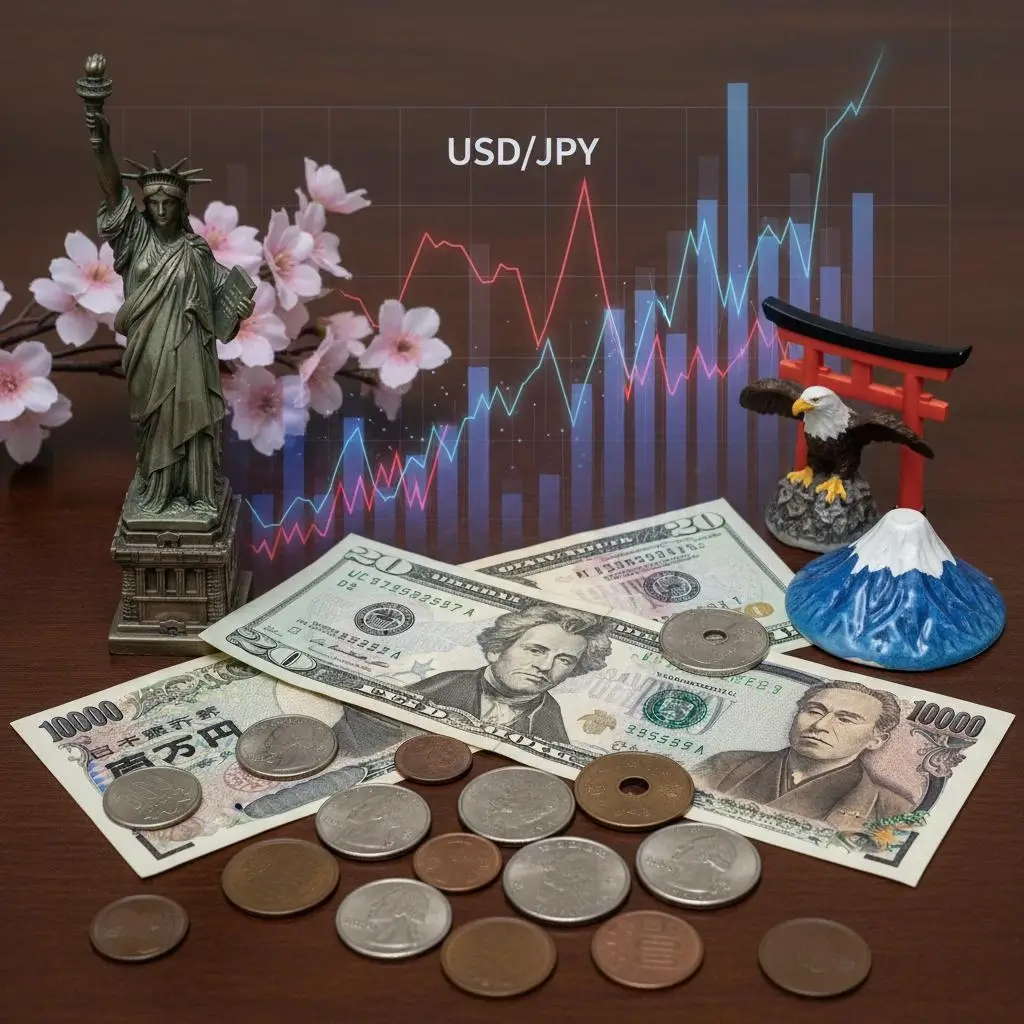
JPY/USD compares the Japanese yen with the US dollar. This is the notation used by many analysts. It describes the relationship between the two currencies and how much one is worth against the other.
A note on notation: Many trading platforms and news outlets quote the same relationship as USD/JPY. This format shows how many yen one dollar buys.
The number then moves in the opposite direction from a JPY/USD quote. However, the underlying idea is the same. When the yen strengthens, one yen buys more dollars.
Therefore, always check how your source quotes the pair before interpreting a rise or fall.
Why has the yen earned a safe-haven reputation?
Japan’s position as a large overseas investor
Japan has long been described as holding a very large amount of assets outside the country. Households, companies, and institutions own these assets.
When markets turn turbulent, some investors bring money home. To do that, they sell foreign assets and convert the proceeds back into yen. As a result, demand for the currency increases.
The role of cheap borrowing
For many years, Japanese interest rates were very low. This made the yen cheap to borrow. Some investors then borrowed yen to invest in assets elsewhere that offered higher returns.
This strategy is called a carry trade. In simple terms, you borrow where interest is low and invest where it is higher. The aim is to keep the difference.
When markets become shaky, investors may close these positions. They sell the foreign investment and repay the yen loan. To do so, they need to buy yen.
That buying can push the yen higher, especially when many investors act at once.
Economic and institutional stability
Japan is a large, mature economy with deep financial markets and strong institutions.
Over long periods, Japan has often recorded a surplus when it sells more to the world than it buys. Many investors see this as a source of resilience.
Together, these traits can add to the currency’s reputation for stability.
When the pattern does not hold
The yen’s safe-haven behavior is not automatic. At times, the yen has weakened even while markets were nervous.
The most common reason is the gap between Japanese interest rates and rates in other countries. When rates elsewhere rise quickly, Japan may keep its policy very easy.
In that situation, investors may prefer currencies that pay more. Consequently, the yen can weaken even during uncertain periods.
Other factors can also matter. These include Bank of Japan policy changes, inflation trends, energy import costs, and the strength of the US dollar.
For this reason, analysts treat the safe-haven label as one of several forces influencing the yen. They do not treat it as a rule the currency must follow.
A simple example
Imagine an investor who borrows 10 million yen at a very low interest rate. The investor then uses it to buy a foreign asset. The figures below are for illustration only.
- While markets are calm, the investment may earn more than the loan costs.
- If markets suddenly become nervous, the investor might sell the asset and repay the loan.
- To repay the loan, the investor needs yen. Therefore, they buy yen with the proceeds.
If thousands of investors act in the same way at once, the extra demand for yen can move its price noticeably.
This helps explain why the yen sometimes strengthens quickly when market sentiment changes.
Common misconceptions
“The yen always rises when stocks fall.”
It often has, but not always. Interest-rate gaps and policy decisions can outweigh the safe-haven effect.
“A safe-haven currency cannot lose value.”
It can. The term safe haven simply describes a pattern in investor behavior. It does not protect investors from losses.
“A strong yen is good for everyone in Japan.”
A stronger yen makes imports cheaper. However, it can reduce the yen value of overseas earnings for exporters. Therefore, the effect differs between groups.
What readers should understand
- A safe haven is something investors tend to favor during uncertainty.
- The yen has earned that label because of Japan’s large overseas holdings, historically low interest rates, and the way carry trades unwind.
- However, the pattern is not guaranteed. Interest-rate differences and policy decisions can override it.
- Before interpreting a currency pair’s direction, check whether your source quotes JPY/USD or USD/JPY.
For current exchange rates and policy decisions, consult an authoritative source such as the Bank of Japan or a reputable data provider.
Frequently asked questions
Is the yen safer than gold or the dollar?
There is no universal answer. Each has different strengths and risks. Their behavior also varies depending on the situation.
What is a carry trade in simple words?
It means borrowing in a currency with low interest and investing in a currency or asset that pays more.
This strategy can add returns. However, it also adds risk if exchange rates move in the wrong direction.
Does a strong yen help Japanese travelers?
Generally, yes, because it buys more in other countries. On the other hand, the same strength can make Japan more expensive for foreign visitors.