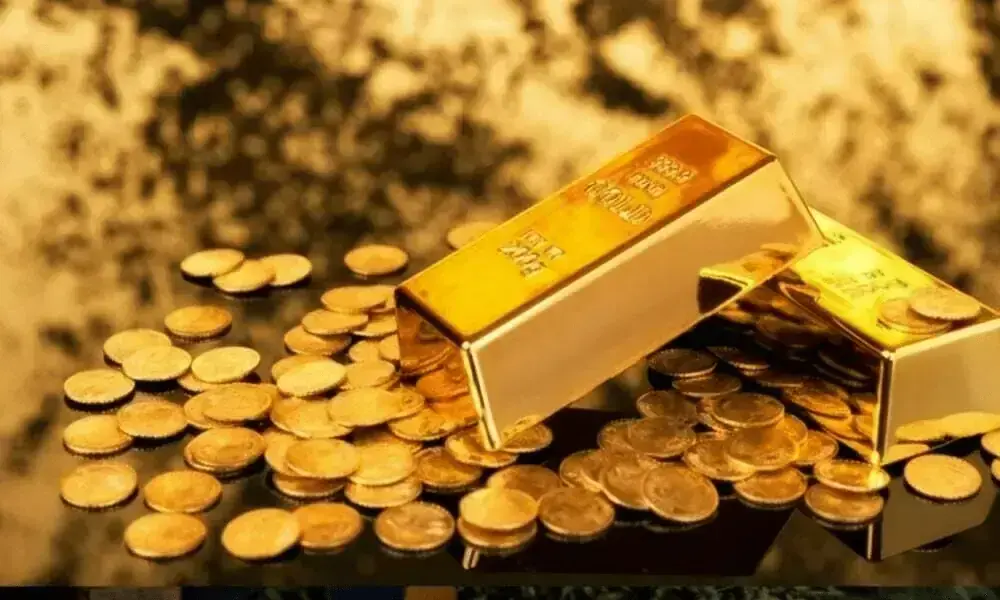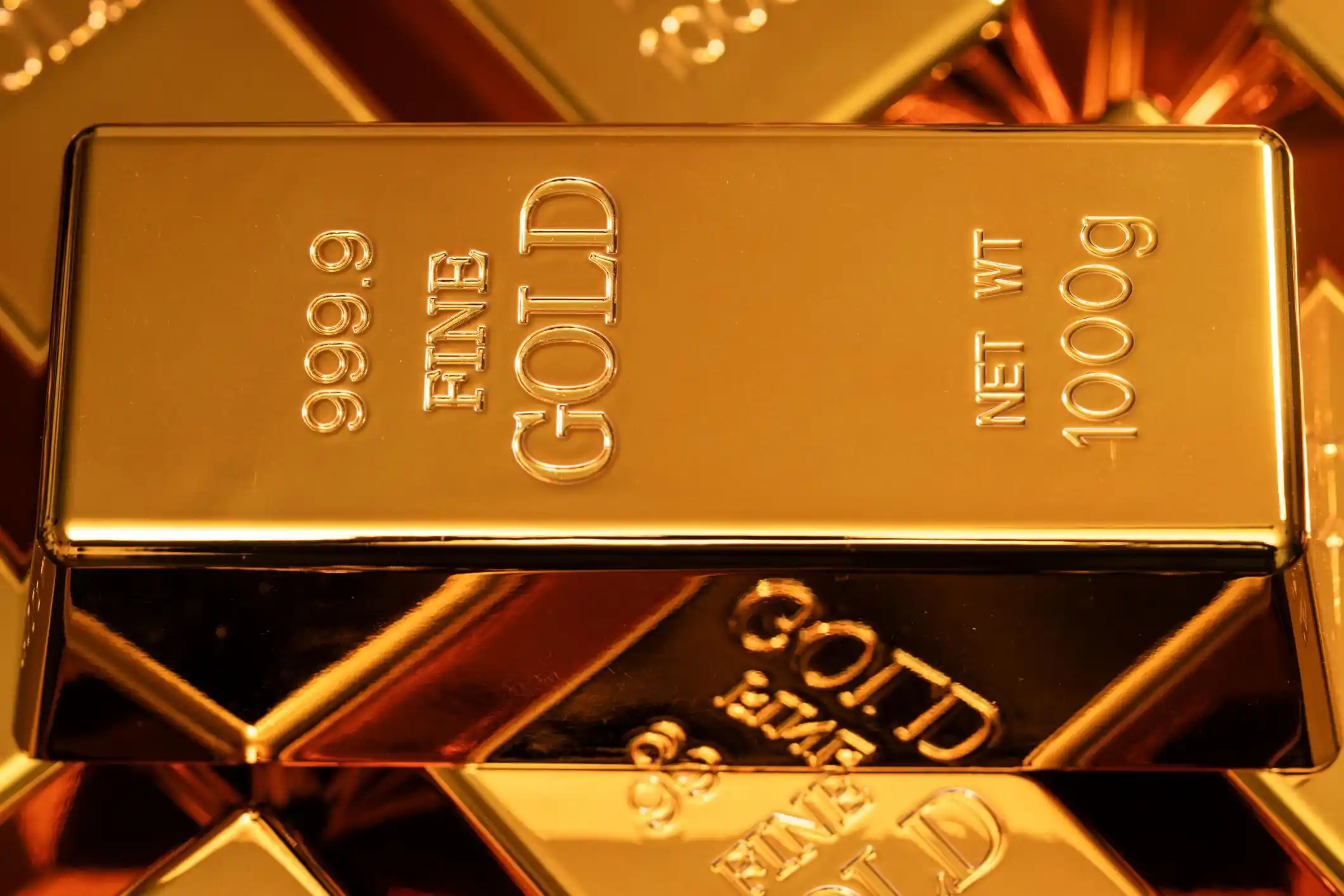
XAU/USD is the market symbol for the price of gold in US dollars. XAU is the international code for one troy ounce of gold. USD is the code for the US dollar. When you see a quote for XAU/USD, you see how many dollars it costs to buy one troy ounce of gold on the global market.
It looks technical, but the idea is simple. Once you understand the symbol, you can read most gold price headlines with confidence.
What does XAU/USD stand for?
Let’s break the symbol into its parts.
- XAU is the code for gold. The “X” appears in international currency codes for items that do not represent the money of a single country. “AU” comes from the chemical symbol for gold, Au. The symbol comes from the Latin word aurum.
- USD is the code for the United States dollar.
- The slash shows that one is priced in terms of the other.
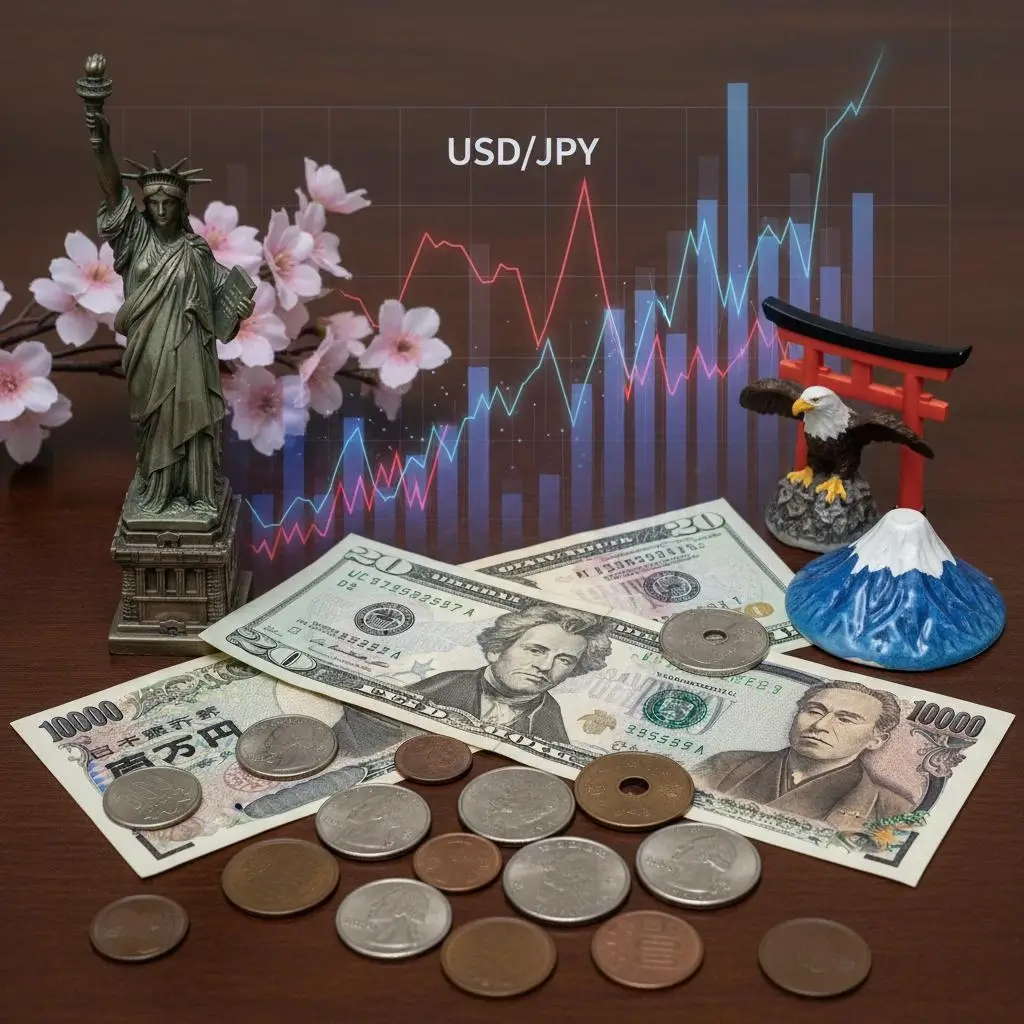
Written together, XAU/USD means “gold priced in US dollars.” It follows the same format as a currency pair such as EUR/USD. That is why gold often appears alongside currencies, even though gold is not a currency.
What is a troy ounce?
Gold does not use the ordinary ounces used for groceries. Instead, the gold market uses the troy ounce, a traditional unit for precious metals. One troy ounce equals about 31.1 grams. That makes it slightly heavier than a regular ounce of about 28.35 grams.
This matters when you compare prices. A global gold quote uses the troy ounce. Jewelry shops and gold dealers in many countries quote prices per gram. To compare them, you need to convert the unit and the currency.
How do you read XAU/USD?
- If XAU/USD rises, one ounce of gold costs more dollars than before.
- If XAU/USD falls, one ounce of gold costs fewer dollars than before.
A rise or fall can come from changes in demand for gold, changes in the dollar’s value, or both. This is why people often discuss the gold price and the dollar together.
A worked example
Here is a simple illustration. The figures are invented to demonstrate the arithmetic. They are not real market prices.
Suppose XAU/USD stands at US$2,000 per troy ounce.
- Divide by the number of grams in a troy ounce. 2,000 ÷ 31.1 gives roughly US$64 per gram.
- Suppose one dollar equals 10 units of a local currency. Multiply 64 × 10. This gives about 640 local units per gram.
In reality, the price you pay for gold in a shop also includes taxes, the seller’s margin, fabrication costs for jewelry, and other charges. So the shop price will not exactly match the converted market price. Use the conversion as a starting point for understanding. It does not provide an exact forecast of what you would pay.
Why is gold priced in US dollars?
Gold has traded internationally in dollars for a long time. The dollar is widely used in global trade and finance. Pricing everything in a single currency makes comparisons easier for buyers and sellers in different countries.
As a result, the gold price in other currencies depends on two things. The first is the dollar price of gold. The second is the exchange rate between the dollar and the local currency. If gold stays steady in dollars while the local currency weakens, the gold price in the local currency can still rise.
What is the “spot” price?
When people talk about the gold price in the news, they usually mean the spot price. This refers to the price for buying or selling gold for near-immediate delivery.
There are also futures prices. These contracts involve buying or selling gold at a set price on a future date. The two prices are related, but they are not always identical. Therefore, it is worth checking which price a source quotes.
What affects XAU/USD?
Many things influence gold’s dollar price. Some of the most commonly discussed factors include:
- The US dollar. Because gold trades in dollars, a stronger dollar can make gold more expensive for holders of other currencies. This may reduce demand. A weaker dollar can have the opposite effect.
- Interest rates. Gold does not pay interest. When interest rates on savings and bonds rise, gold can look less attractive by comparison. The reverse can occur when rates fall.
- Inflation expectations. Some people look to gold when they worry about rising prices.
- Uncertainty. Economic or political stress may increase interest in gold as a store of value.
- Demand for jewelry, industry, and investment, plus purchases by central banks.
No factor works in isolation. These relationships also change over time.
Common misconceptions
“XAU/USD is a company or a product.” It is only a quote that shows the market price of gold in dollars. You cannot hold XAU/USD itself.
“The XAU/USD price is the price in my local gold shop.” Local prices include currency conversion, taxes, and margins.
“Gold always rises when the dollar falls.” Gold often has an inverse relationship with the dollar. However, this does not happen every time. Other forces can outweigh the dollar effect.
What readers should understand
- XAU/USD means the price of one troy ounce of gold, expressed in US dollars.
- A troy ounce is about 31.1 grams.
- Local gold prices depend on both the dollar price and the exchange rate, plus taxes and dealer margins.
- Always check the source and date of a price before relying on it.
For live prices, consult an authoritative source such as a reputable exchange, a bullion dealer, or a financial data provider.
Frequently asked questions
Is XAU a currency?
XAU has an international currency-style code, but gold is not a national currency. It is a precious metal that markets price in currencies.
Why does gold have a currency-style code at all?
The code makes it easy to quote gold in the same way as currency pairs. This helps banks and markets handle prices consistently.
Does a rising XAU/USD mean gold is more valuable?
It means gold costs more dollars. If the dollar itself has weakened, the gold price may have risen partly because of that. Therefore, context matters.