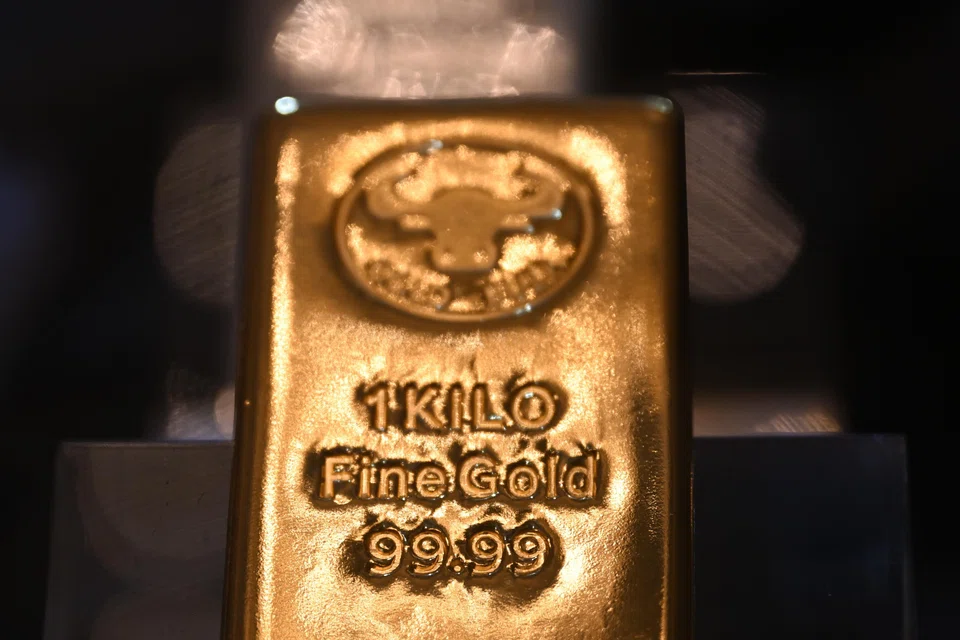
Gold prices change every day because markets trade gold around the world. The price reflects what buyers and sellers are willing to pay at each moment. Several factors influence it, including the US dollar, interest rates, inflation expectations, and global uncertainty. Demand from jewelry buyers, investors, and central banks also affects prices.
Have you noticed a gold price in the morning that differs by the afternoon? The market keeps reacting to new information throughout the trading day.
Where does the daily gold price come from?
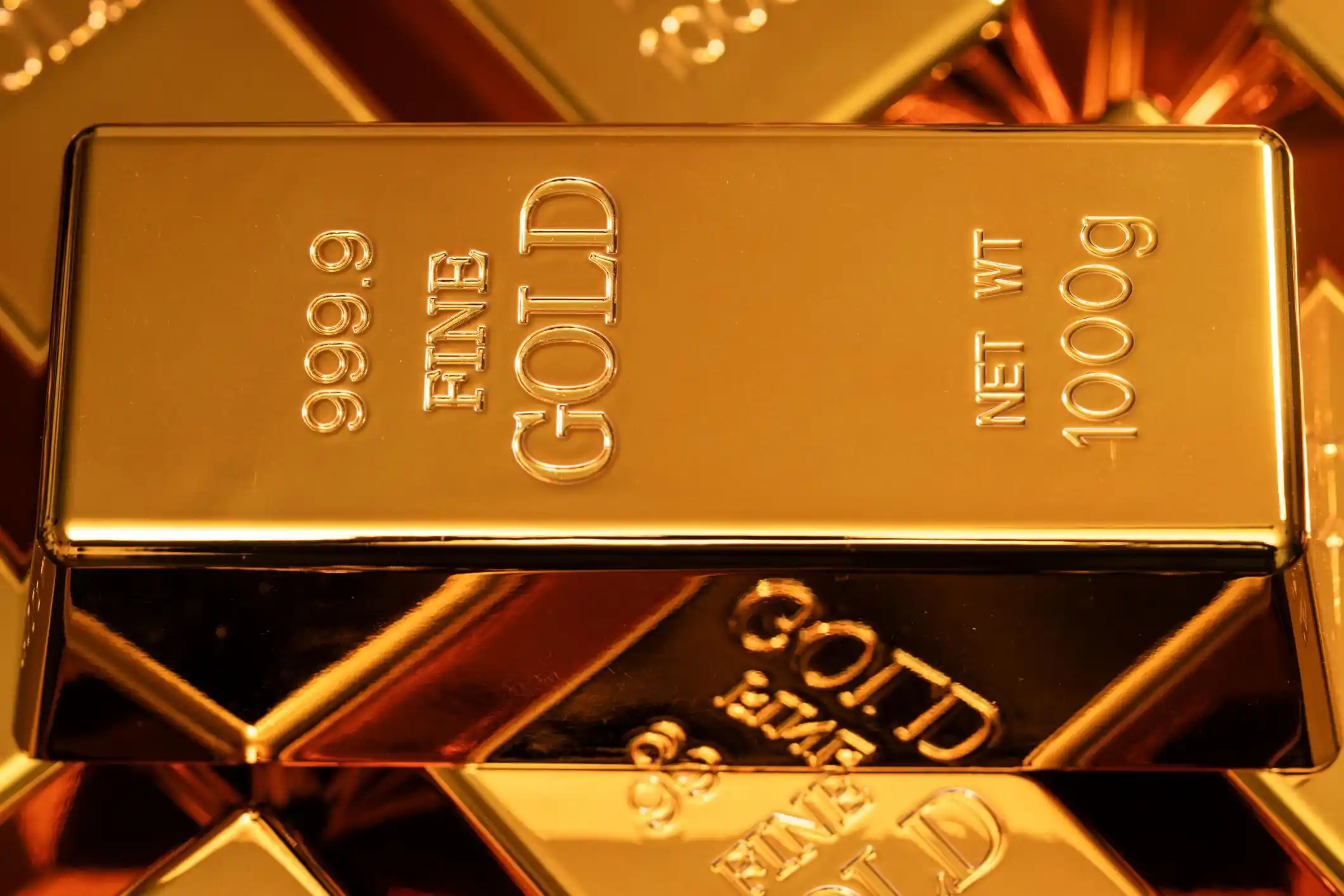
No single authority sets one fixed price for gold. Instead, prices form in markets where banks, dealers, miners, investors, and companies buy and sell. The widely quoted benchmark measures one troy ounce of gold in US dollars. People often write it as XAU/USD.
Gold trades in different financial centers across time zones. As a result, weekday trading continues for most of the day.
Trading moves from Asia to Europe and then to North America. Buyers and sellers in each region react to local news. This process helps explain why prices can move at almost any hour.
Why does the price move?
Gold prices change when the balance between buyers and sellers shifts. Several factors commonly influence that balance.
The US dollar
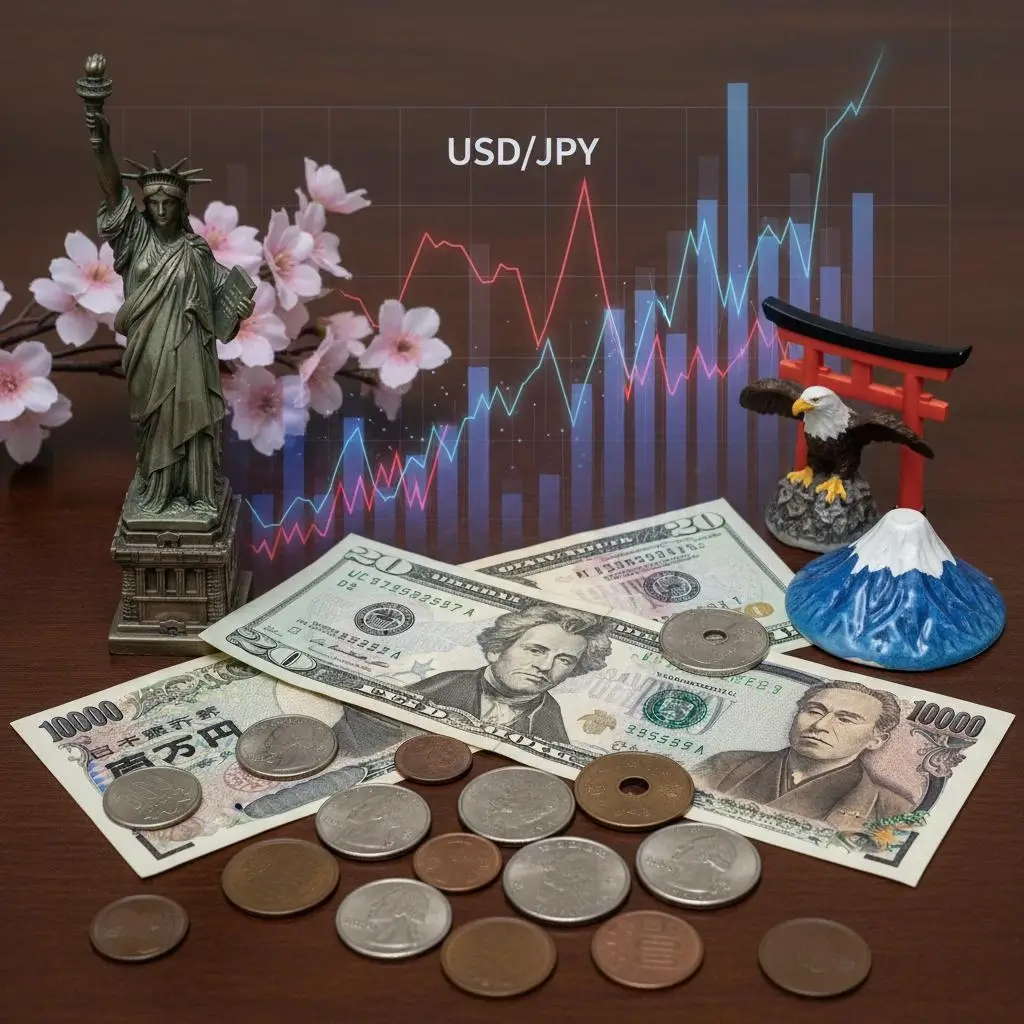
Markets price gold in dollars. When the dollar strengthens, gold becomes more expensive for people who use other currencies. This may reduce demand.
When the dollar weakens, gold can become cheaper for those buyers. That change may support demand. For this reason, headlines often discuss gold and the dollar together.
Interest rates
Gold does not pay interest. If savings accounts and government bonds offer higher returns, holding gold can seem less attractive.
However, expectations of lower interest rates can support gold. They reduce the relative cost of holding an asset that pays no yield.
What matters most is often not the current rate. Instead, the market compares it with earlier expectations.
Inflation expectations
Some people consider gold when they worry that everyday prices will keep rising. Inflation can reduce the purchasing power of money.
As concerns about inflation grow, interest in gold may increase. However, this relationship is not automatic. If rising inflation leads to higher interest rates, the effect on gold can vary.
Uncertainty and market sentiment
People sometimes turn to assets they view as stores of value when they feel uneasy about the economy, financial markets, or world events.
Gold has played this role for centuries. As a result, uncertain periods often bring greater attention to gold.
Still, markets do not always react this way. The strength of the response also varies.
Real-world demand and supply
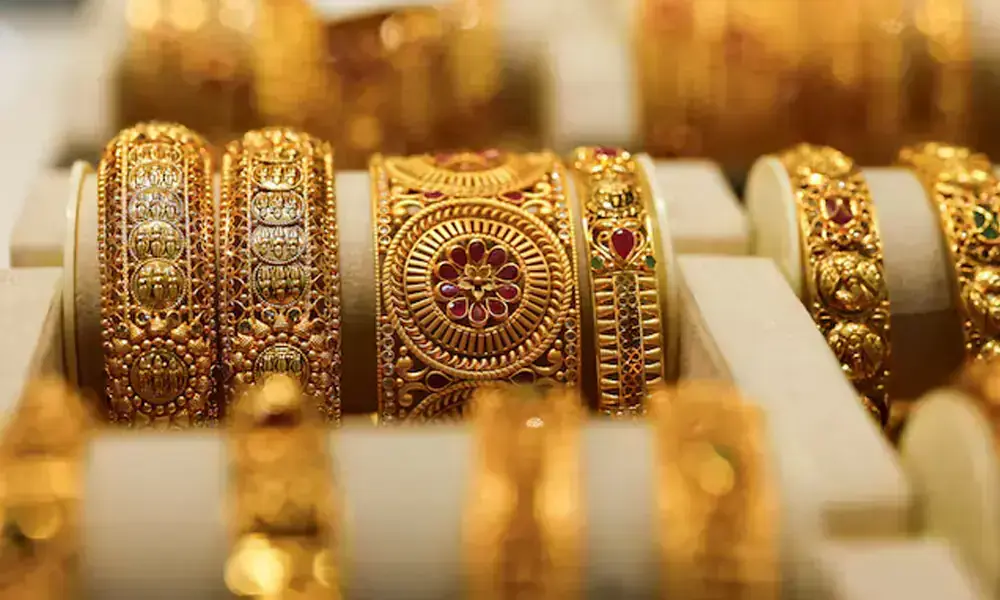
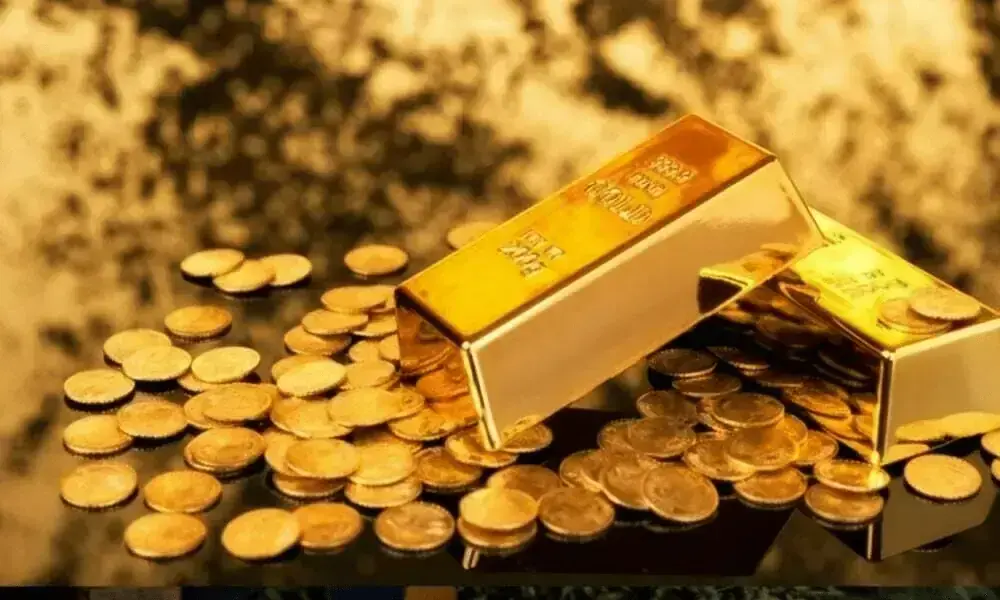
Several groups contribute to gold demand. Jewelry makers use gold for ornaments, while manufacturers use it in electronics. Central banks may add gold to their reserves. Investors also buy bars, coins, and gold-linked products.
Supply matters too. Mining output and recycled gold affect the amount available to buyers. Changes in any of these areas can move prices.
Market expectations and positioning
Traders respond to what they expect to happen next. An unexpected economic report or central bank comment can prompt investors to adjust their views quickly.
Large purchases or sales by major market participants can also move prices in the short term.
How does this affect the price in your local shop?
The global dollar price provides only a starting point. A country’s local gold price usually depends on two factors: the dollar price and the exchange rate against the local currency.
Import costs, taxes, and dealer margins can also affect the final price.
For example, imagine that the dollar price of gold stays unchanged throughout a day. If the local currency weakens against the dollar, the local gold price can still rise.
Why? Buyers need more local currency to obtain the same amount of dollars. This is only an illustration.
Conversely, a stronger local currency can offset part of a rise in the dollar price.
Does one factor explain everything?
No. Analysts often disagree about the most important influence at a given time. The role of each factor also changes.
Gold may react strongly to interest-rate expectations during one period. In another, uncertainty may play a larger role.
Looking for a single cause behind every price move can therefore lead to incorrect conclusions.
Common misconceptions
“Gold always rises when stocks fall.” Sometimes it does, but not always. The two markets can also move together, depending on the cause of the market movement.
“A rise in the gold price means the economy is bad.” Not necessarily. A weaker dollar, lower interest-rate expectations, or strong central bank buying can also lift gold prices. These factors can occur under different economic conditions.
“Gold prices are set by one organization.” Countless buyers and sellers help form market prices. Various market participants also publish benchmark prices.
What readers should understand
- Gold trades nearly around the clock on weekdays, so its price keeps adjusting.
- The dollar, interest rates, inflation expectations, uncertainty, and physical demand all influence prices.
- Local prices also depend on exchange rates, taxes, and dealer margins.
- No single factor explains every price move.
This article is educational. It does not predict prices or suggest trades. For current prices, check authoritative market data.
Frequently asked questions
Why is gold priced in dollars?
Gold has long traded internationally in US dollars. This convention makes it easier to compare prices across countries.
Does the gold price change on weekends?
Major markets pause over the weekend. Therefore, benchmark prices generally stop updating until trading resumes. Local shops may follow their own schedules.
Can I predict tomorrow’s gold price?
No one can predict it reliably. Understanding the factors that influence gold helps you interpret news, but it cannot make future prices certain.