Euro Nears 17-Month Low as France Debt Fears Grow
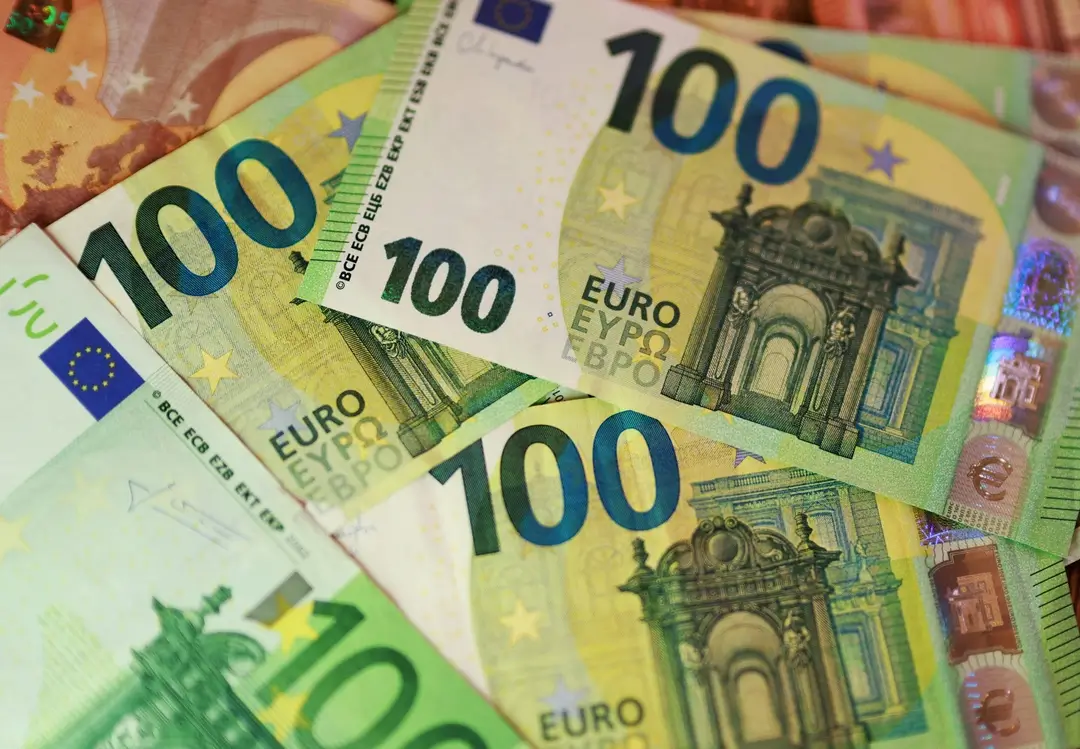
The euro remained close to a 17-month low on Tuesday as investors continued to assess mounting fiscal concerns in France and increasing political uncertainty across the euro zone. The common currency slipped to around $1.1219 in Asian trading after falling to its lowest level since May 2025 during the previous session.
The euro has now extended a 1.2% decline from the previous week. It also weakened against the British pound as investors reacted to growing concerns over government debt and political developments in Europe.
France’s borrowing costs remain a major concern
France has become a central focus for currency traders as rising government borrowing costs increase pressure on the country’s already-high debt burden. The political gridlock surrounding French fiscal policy has raised concerns that problems in the country’s bond market could spread across the broader euro zone.
The pressure has been amplified by political uncertainty in Spain, where Prime Minister Pedro Sanchez has called a snap election.
The combination of higher borrowing costs, fiscal concerns and political uncertainty has made the euro more vulnerable even as expectations for an immediate Federal Reserve rate hike have declined.
Dollar remains supported by high Treasury yields
The U.S. dollar continued to strengthen, supported by elevated Treasury yields. The dollar index stood at 102.17 after reaching an 18-month high during the previous session.
The dollar has maintained its strength despite weaker-than-expected U.S. employment data reducing expectations for a Federal Reserve rate increase in October. Investors still expect the Fed may need to tighten monetary policy later because inflation pressures have not disappeared.
U.S. services-sector activity slowed in September, but strong domestic demand continued to stretch supply chains and pushed prices paid by businesses for inputs to their highest level in more than four years.
For the euro, the combination of French fiscal concerns, Spanish political uncertainty, high oil prices and a strong U.S. dollar continues to create a difficult trading environment.