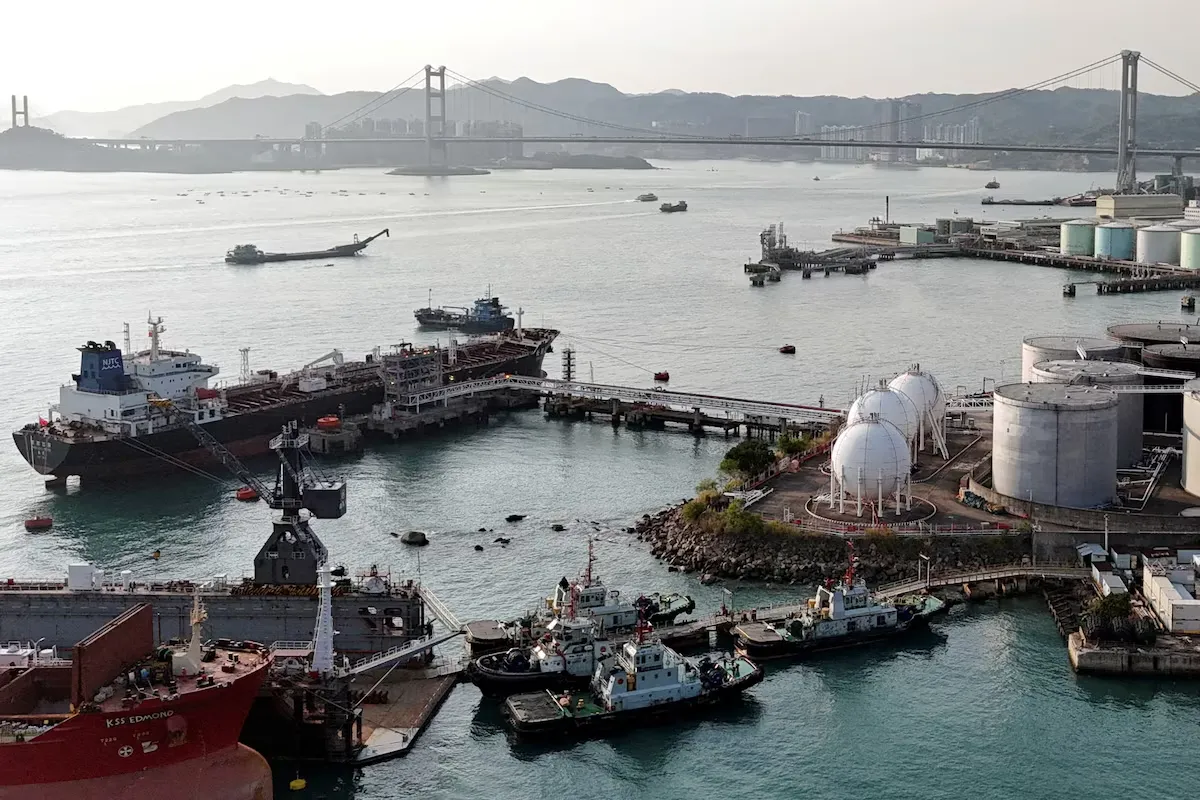
Global oil prices fell by more than $1 per barrel on Thursday, November 12. The decline followed growing hopes that diplomatic efforts could produce progress in negotiations involving the Middle East and the Russia-Ukraine war. Expectations of reduced geopolitical tensions lowered part of the risk premium previously embedded in oil prices.
Brent crude futures declined $1.14, or approximately 1.2%, to $91.62 per barrel. West Texas Intermediate (WTI) crude fell $1.04, also around 1.2%, to $85.49 per barrel at 0141 GMT. The declines reversed some of the gains recorded on Wednesday, when Brent rose approximately 1.4% and WTI gained 0.6%.
One factor influencing the market was the possibility of a ceasefire between Russia and Ukraine. Negotiators from both countries agreed to a major prisoner exchange after two days of talks in Abu Dhabi. However, US mediators said significant disagreements remained unresolved, including issues related to territory.
Ukrainian President Volodymyr Zelenskiy expressed hope that concrete results could be achieved in efforts to end the war this year. These diplomatic developments attracted attention in energy markets because prolonged conflict can affect oil supplies, energy trade, and international transportation routes.
In the Middle East, investors were also monitoring the possibility of reduced tensions between the United States and Iran. Iranian security official Mohsen Rezaei said the country would not allow enriched nuclear material to leave its territory and warned of consequences if the United States launched further strikes. Washington continued to insist that nuclear issues must form part of initial negotiations aimed at ending the conflict.
These developments indicate that although peace expectations can pressure oil prices, geopolitical risks have not disappeared. The Strait of Hormuz remains a major concern because it is an important route for global energy shipments. Uncertainty surrounding shipping security in the region could limit further price declines even if diplomatic negotiations make progress.
Supply-side developments also contributed to pressure on oil prices. OPEC+ crude production increased sharply in October, led by higher output from Saudi Arabia. The additional supply came despite continued disruptions to shipments through the Strait of Hormuz.
Preliminary data from the American Petroleum Institute (API) also showed that US crude inventories increased by approximately 9 million barrels in the latest week. The figure was still awaiting confirmation from the official Energy Information Administration (EIA) report, which was delayed by one day because of a US national holiday.
For global markets, lower oil prices may reduce concerns about energy-driven inflation. Cheaper fuel can lower transportation and production costs, potentially supporting consumers and several business sectors.
However, the relationship between oil prices and other financial assets is not always straightforward. Lower oil prices may help reduce inflation, while easing geopolitical risks may also reduce demand for safe-haven assets such as gold. Meanwhile, the US dollar remains influenced by Federal Reserve rate expectations following stronger-than-expected US CPI data.
Investors should monitor developments in Iran and Russia-Ukraine negotiations, security around the Strait of Hormuz, the official EIA inventory report, and OPEC+ production decisions. These factors will help determine whether the oil-price decline continues or represents only a temporary correction.
Market impact analysis
-
XAU/USD — High: Easing geopolitical risks may reduce safe-haven demand, although strong US yields and the dollar also weigh on gold.
-
DXY — Medium: Lower geopolitical risk may reduce safe-haven demand for the dollar, but US rate expectations remain a dominant driver.
-
AUD/USD — Medium: Improved risk sentiment from peace expectations may support the Australian dollar.
-
EUR/USD — Medium: Reduced geopolitical risks may support the euro, although dollar strength remains a constraint.
-
GBP/USD — Medium: The impact comes through risk sentiment and dollar movements.
-
USD/JPY — Medium: Changes in safe-haven demand may influence the yen, while interest-rate differentials remain important.
-
Dow Jones, S&P 500, Nasdaq 100 — Medium: Lower energy costs may support companies and consumers, although interest-rate conditions remain important.
-
Russell 2000 — Medium: Smaller companies may benefit from lower operating and energy costs.