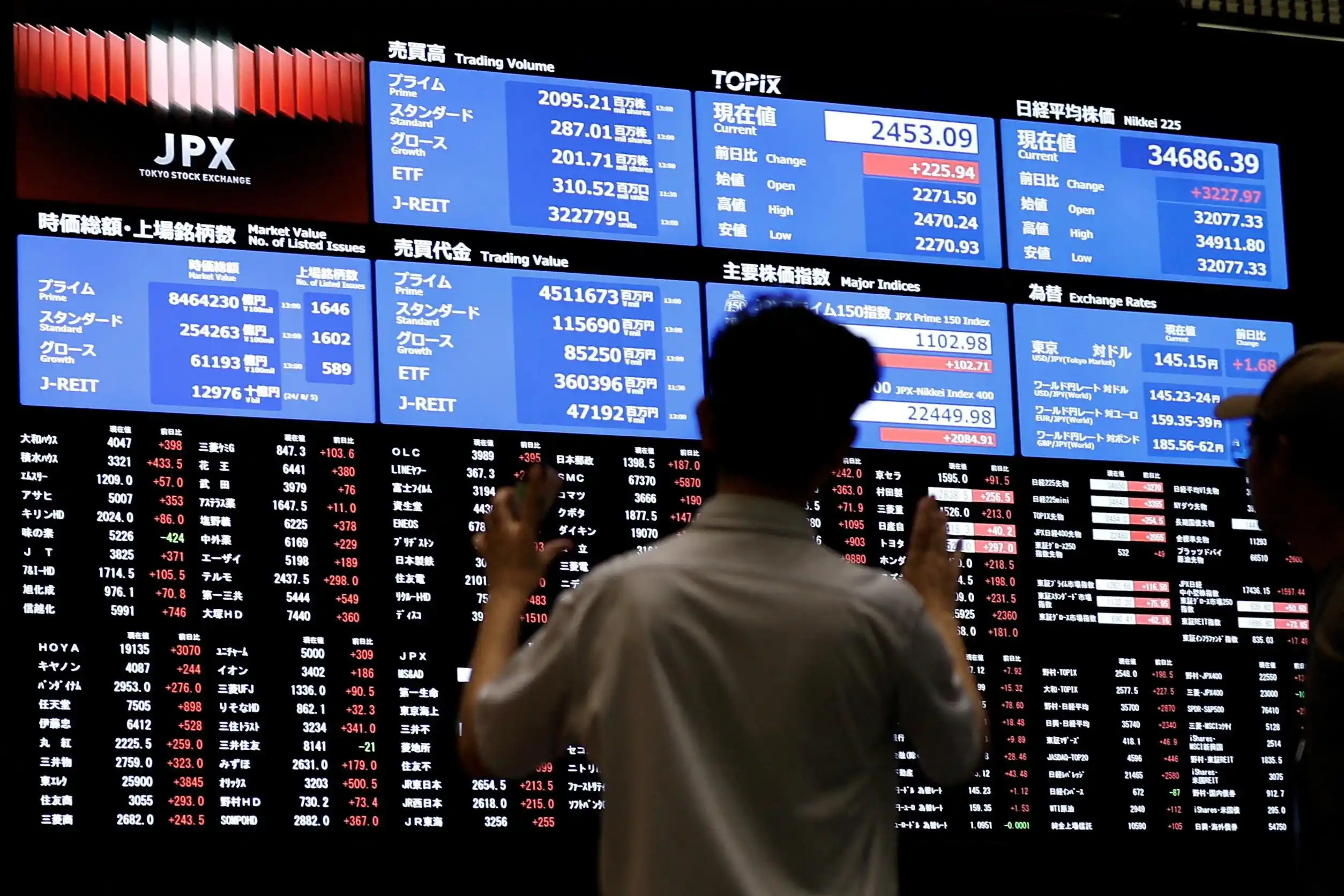
Asian markets begin the week cautiously
Asian shares opened cautiously on Monday as investors prepared for a new corporate earnings season. Concerns about high technology valuations, borrowing costs, and geopolitical developments influenced market sentiment.
South Korean stocks fell 1.1%. MSCI’s broadest index of Asia-Pacific shares outside Japan was little changed. S&P 500 futures rose 0.2%, while Nasdaq futures gained 0.5%. In Europe, EURO STOXX 50 and DAX futures each advanced 0.4%, while FTSE futures rose 0.3%.
Trading activity was thin because Japanese markets were closed for a holiday. The United States also observed a partial holiday.
Technology earnings remain in focus
Major US banks were scheduled to begin reporting earnings on Tuesday. According to LSEG IBES estimates cited by Reuters, S&P 500 earnings were expected to increase by more than 30% in the third quarter. Much of the projected growth came from technology companies.
My Bui, an economist at AMP, noted that all gains in the S&P 500 since mid-September had come from technology stocks. Investors were also demanding higher yields to finance large investments in artificial intelligence.
The US investment-grade credit default swap index had risen to its highest level since the Iran war began. Wider spreads indicated growing concern about corporate borrowing and the ability of AI-related revenues to keep pace with investment costs.
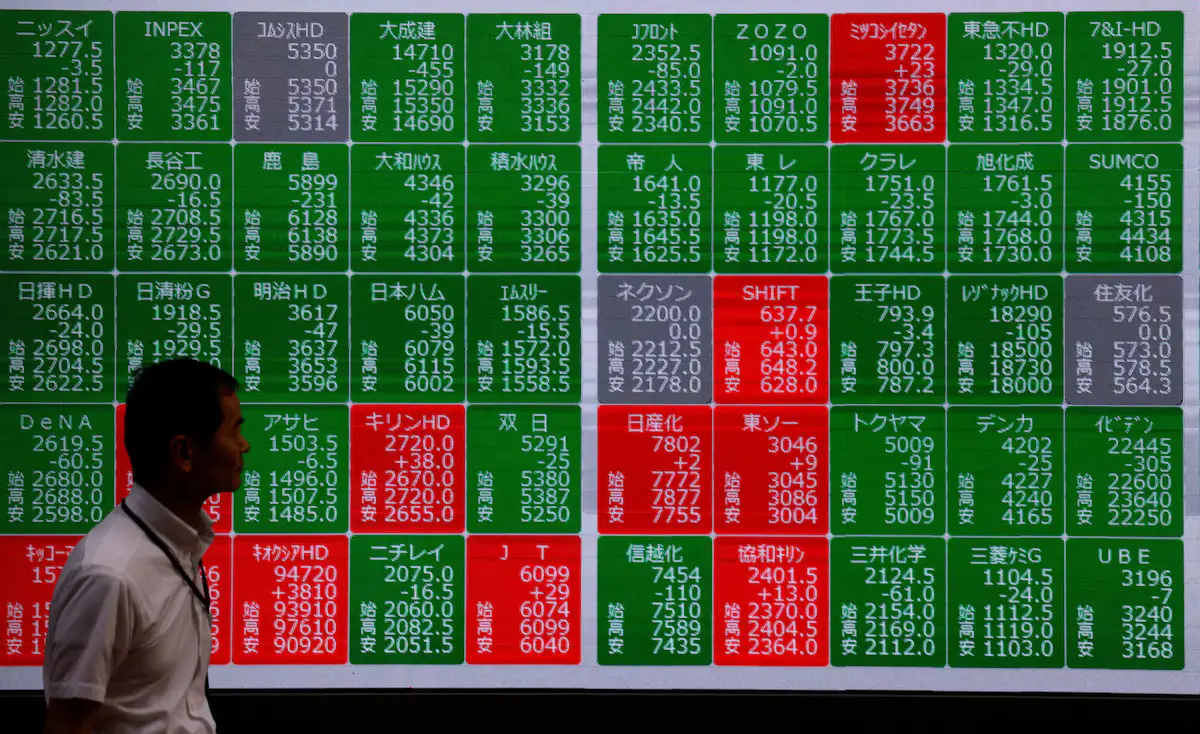
Inflation and borrowing costs add pressure
Corporate debt issuance has added pressure to bond markets. US Treasury yields reached 24-year highs in the previous week, increasing the discount applied to future company earnings.
Investors were preparing for US consumer price, producer price, and retail sales data due later in the week. Reuters reported that headline consumer inflation was expected to rise 0.6% in the month, bringing the annual rate to 3.7%. Core inflation was forecast to increase 0.2% monthly and 2.5% annually.
The report said markets priced in an 18% chance of a Federal Reserve rate increase in October and an 85% chance in December. Those expectations, alongside earnings and borrowing costs, remained central to market sentiment.