Oil Stays Above $100 as Logistics Disruptions Persist
Oil prices remained under pressure on Monday as crude exports from the Middle East increased and the Group of Seven prepared to release oil and diesel from emergency reserves. The additional supply helped ease some immediate concerns about shortages, although the global oil market remains heavily disrupted by the continuing conflict and transportation problems across the region.
Brent crude was around $101.59 a barrel in early trading, while U.S. West Texas Intermediate crude was around $90.12. The decline came after G7 countries agreed to release 100 million barrels of diesel and crude from emergency reserves and pledged to avoid energy export restrictions.
Middle East exports recover
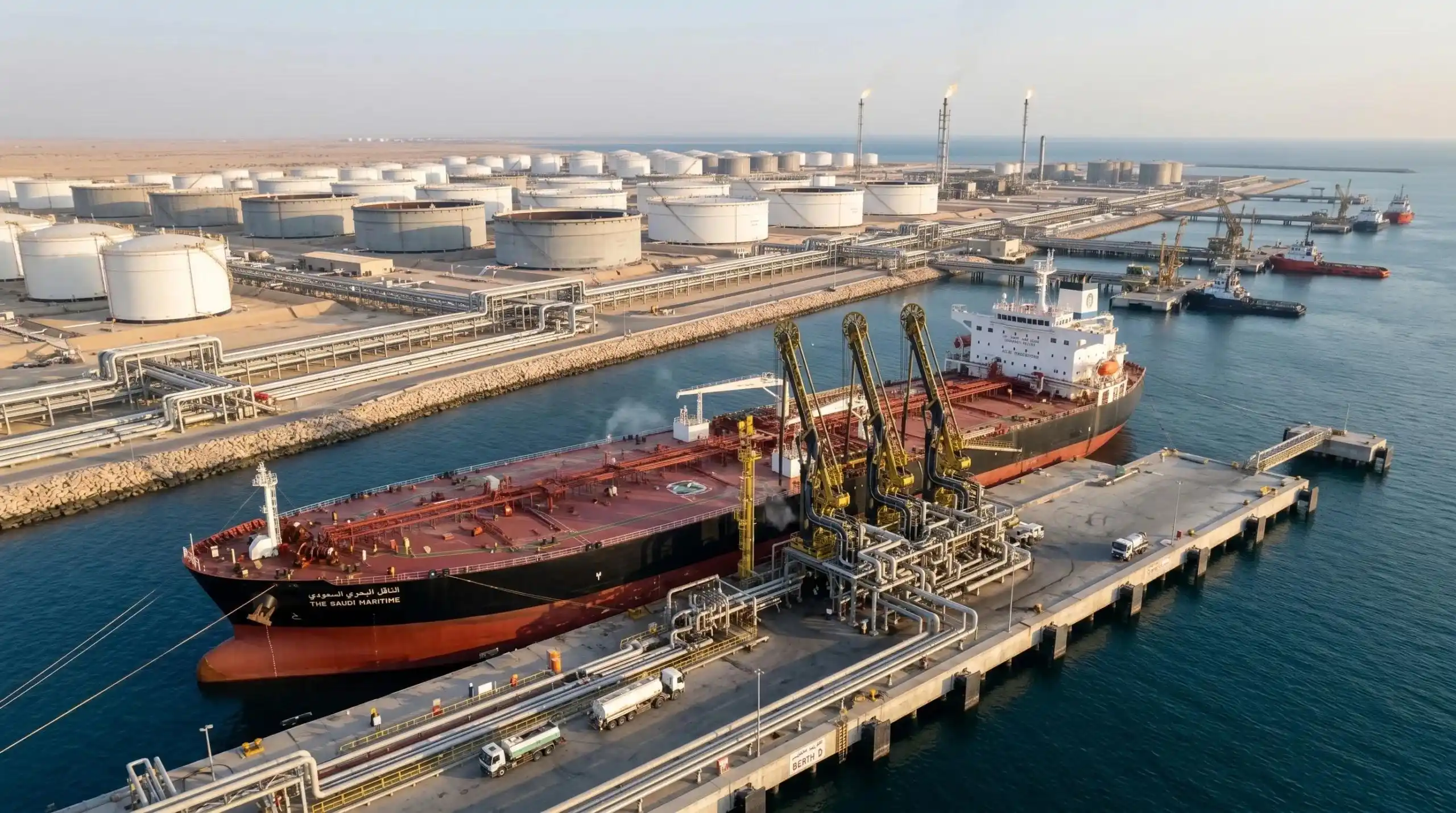
Shipping data showed that Middle Eastern crude exports rose above pre-war levels on four of the seven days during the final week of September. More Gulf producers have resumed shipments through the Strait of Hormuz, allowing larger volumes of crude to reach international markets.
However, the recovery in crude flows has not translated into a return to normal market conditions. Oil remains above $100 a barrel because the cost and difficulty of moving crude have increased sharply.
Crude flows through the Strait of Hormuz reached about 14.2 million barrels per day on a seven-day average on September 26, around 80% of pre-war levels. Analysts could eventually revise the figure higher because some vessels disable satellite tracking systems while travelling through the waterway.
Logistics become the main market problem
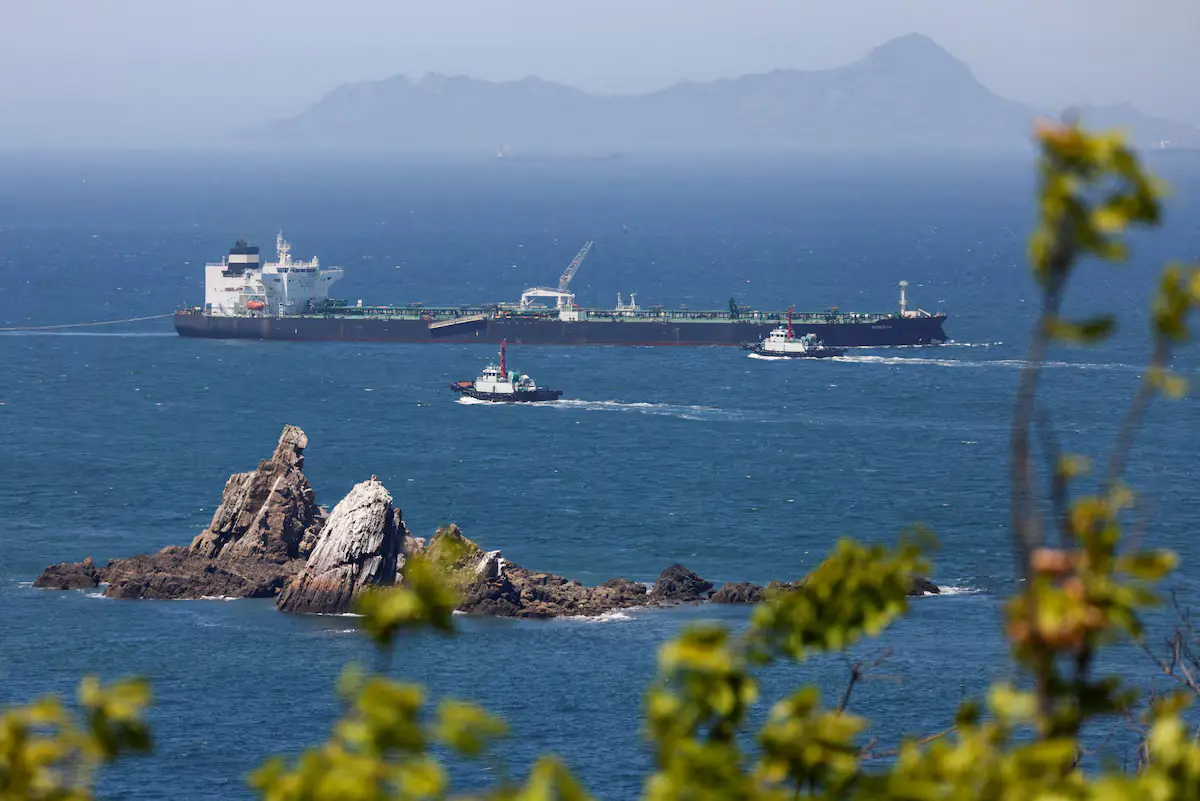
The market is increasingly dealing with a logistics problem rather than simply a shortage of crude. Tanker availability, insurance costs, shipping routes and the risks faced by vessels passing through the region are all affecting the final cost of delivering oil.
At the same time, Saudi Arabia unexpectedly cut November crude prices for Asian buyers, while attacks involving tankers and regional infrastructure continued to create uncertainty.
The G7 reserve release should provide additional supply and reduce immediate fears of a physical shortage. However, the higher cost of transporting Middle Eastern crude means the global market remains vulnerable to further disruptions.